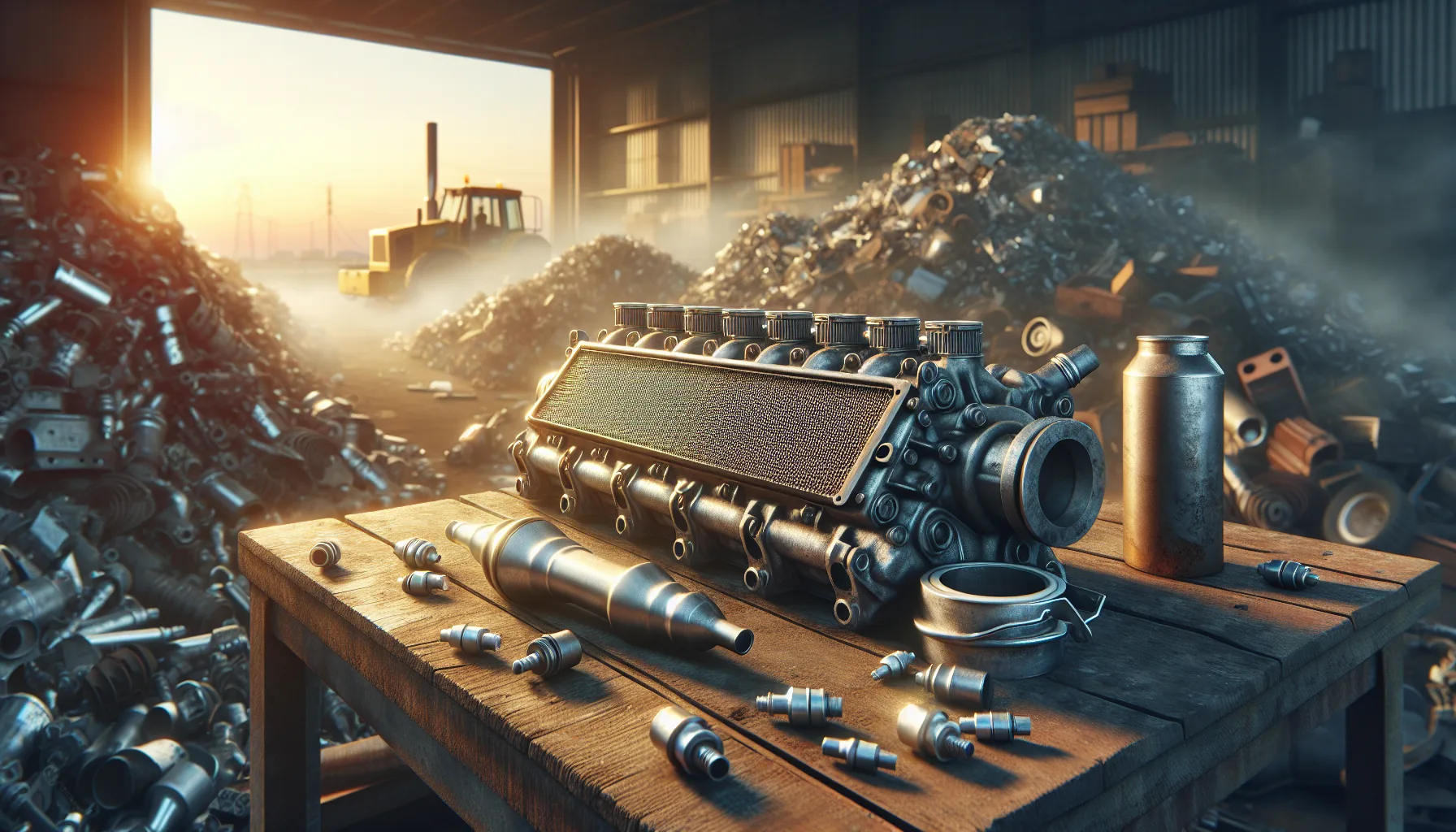
Taking clear, detailed photos of your catalytic converter can mean the difference between a lowball offer and getting fair market value. Professional buyers need specific visual information to assess precious metal content accurately, and poor photos often result in conservative estimates that cost you money. With the right photography techniques, you can showcase your converter's true worth and secure competitive quotes from reputable catalytic converter buyer Flint services.
The key to maximizing your converter's value lies in documentation. Buyers evaluate everything from manufacturer stamps to honeycomb density through your photos. Smart sellers understand that investing ten extra minutes in proper photography can increase their payout by 15-25% compared to rushed, blurry images that leave buyers guessing.
Essential Equipment for Professional Converter Photography
You don't need expensive camera gear to capture quality converter photos. A modern smartphone camera produces excellent results when used correctly. The built-in macro mode on most 2026 smartphones handles close-up shots beautifully, revealing fine details that buyers need to see.
Natural lighting beats artificial lighting every time. Position yourself near a large window or work outside during overcast conditions for the most accurate color representation. Harsh sunlight creates shadows that obscure important details, while cloudy skies provide even, diffused illumination that shows true metal colors.
A clean white background helps your converter stand out in photos. Use a white sheet, poster board, or even fresh snow if you're working outdoors during Michigan winters. This neutral backdrop eliminates distractions and makes it easier for buyers to focus on the converter itself.
Keep a ruler or measuring tape handy for scale reference. Buyers need to understand the converter's size to estimate weight and precious metal content accurately. Including measurement context in your photos demonstrates professionalism and builds buyer confidence.
Critical Angles and Shots That Buyers Need to See
Start with overview shots from multiple angles. Capture the entire converter from the front, back, and both sides. These establishing shots help buyers identify the specific model and assess overall condition. Include the inlet and outlet pipes if they're still attached, as these details affect processing requirements.
The honeycomb interior deserves special attention. This ceramic or metallic substrate contains the precious metals that determine your converter's value. Shoot straight down into both ends, ensuring the honeycomb pattern is clearly visible. Buyers look for intact cells versus damaged or melted sections that reduce recovery potential.
Manufacturer stamps and serial numbers require macro photography skills. These markings appear on the metal housing and provide crucial identification information. Clean any dirt or rust from stamped areas before photographing. Use your phone's macro mode or zoom feature to capture text clearly enough that buyers can read every character.
Heat shields and external damage tell important stories about the converter's history. Document any cracks, dents, or corrosion that might affect processing. Honest documentation builds trust with buyers and prevents disputes about condition after they receive your converter.
Lighting Techniques for Accurate Metal Color Representation
Proper lighting reveals the true colors of precious metals inside your converter. The honeycomb substrate may appear golden, silver, or dark gray depending on the catalyst formulation. Accurate color representation helps experienced catalytic converter buyers near me within 5 mi assess platinum, palladium, and rhodium content without physical inspection.
Avoid using your phone's flash, which creates harsh reflections and washes out metal colors. Natural light from a north-facing window provides consistent, color-accurate illumination throughout the day. If you must work indoors with artificial light, use multiple sources to eliminate harsh shadows.
White balance affects how colors appear in digital photos. Most smartphones automatically adjust white balance, but you can manually set it for better results. Choose the daylight setting when shooting outdoors or the fluorescent setting under indoor lighting. Consistent white balance across all photos helps buyers make accurate assessments.
Consider the time of day when planning your photo session. Mid-morning and mid-afternoon provide excellent natural lighting without the harsh shadows of midday sun. Golden hour lighting looks beautiful but can skew color accuracy, potentially leading to incorrect evaluations.
Documentation Requirements for Maximum Quote Accuracy
Professional catalytic converter recycling Flint operations rely on comprehensive visual documentation to provide accurate quotes. Include photos showing the converter's weight if you have a scale available. Weight combined with visual assessment gives buyers the information they need for precise valuations.
Photograph any attached components like oxygen sensors or mounting brackets. These items may have separate value or affect processing costs. Complete documentation prevents surprises and ensures your quote reflects everything you're selling.
Create a photo inventory with clear numbering or naming system. Organize images logically: overview shots first, followed by detail photos, then close-ups of identifying marks. This systematic approach makes it easy for buyers to review all relevant information quickly.
Include context shots showing where the converter came from if possible. A photo of the vehicle or equipment helps buyers verify compatibility with their records. This additional context can increase buyer confidence and lead to higher offers, especially when working with platforms that find the best scrap converter prices today.
Document the removal process if you're taking photos during extraction. Clean cuts versus torch damage affects processing requirements and value. Professional removal typically yields higher quotes than converters removed with cutting torches that damage the housing.
Common Photography Mistakes That Reduce Quote Values
Blurry photos are the biggest mistake sellers make when documenting converters. Rushed photography with camera shake or poor focus forces buyers to make conservative estimates. Take multiple shots of important details and check image quality before submitting quotes.
Poor composition wastes opportunities to showcase value. Filling the frame with the converter rather than shooting from far away provides better detail resolution. Get close enough that the converter occupies most of the image area while still showing complete context.
Inconsistent lighting between photos confuses buyers about actual condition and color. Maintain similar lighting conditions throughout your photo session. If conditions change, start over rather than mixing photos taken under different lighting scenarios.
Missing crucial details costs money in final payouts. Forgetting to photograph serial numbers, honeycomb condition, or external damage forces buyers to assume worst-case scenarios when calculating offers. Comprehensive documentation protects your interests and maximizes value.
Dirty or cluttered backgrounds distract from the converter itself. Clean your workspace and use neutral backgrounds that make the converter the clear focal point. Professional presentation suggests careful handling and builds buyer confidence in the product condition.
Submitting Photos for Competitive Online Quotes
Organize your photos before submitting them to buyers. Create a folder with descriptive filenames like "converter_front," "honeycomb_inlet," and "serial_number." This organization demonstrates attention to detail and makes buyer evaluation more efficient.
Resize images appropriately for online submission. Most platforms accept photos up to 5MB each, but smaller files upload faster and process more efficiently. Maintain quality while optimizing file sizes for quick transmission to potential buyers across Michigan and beyond.
Submit photos to multiple buyers simultaneously to compare offers. Different buyers specialize in various converter types and may offer significantly different prices for identical units. Platforms like SMASH make this comparison process simple by connecting you with multiple qualified buyers through a single submission.
Include detailed descriptions alongside your photos when possible. Mention the vehicle make, model, and year if known. Describe any unusual features or conditions not clearly visible in photos. This additional context helps buyers provide more accurate initial quotes.
When you check current scrap converter prices, remember that timing affects valuations. Precious metal markets fluctuate daily, so submit your photos promptly after removal rather than waiting weeks for convenience. Quick action ensures you capture current market conditions.
Professional buyers in Flint and throughout Michigan rely on quality documentation to provide fair, competitive quotes. Taking time to photograph your converter properly demonstrates that you understand the value of your material and expect professional treatment in return. This approach consistently yields better results than rushed submissions with poor documentation.
The investment in proper photography pays dividends when you receive multiple competitive offers. Buyers confident in their assessment based on clear photos are more likely to provide aggressive quotes. Whether you're selling a single converter or managing regular inventory, professional documentation standards will find the best price for your scrap on SMASH and similar platforms.
Smart sellers also read scrap converter pricing guides to understand current market trends before submitting photos. This knowledge helps you recognize fair offers and negotiate effectively when multiple buyers express interest in your converter.
Frequently Asked Questions
Q: What's the most important photo angle for getting accurate quotes from a catalytic converter buyer in Flint?
The honeycomb interior shots are most critical for accurate pricing. Buyers need to see the catalyst substrate condition and density to assess precious metal content. Take clear photos straight down both the inlet and outlet ends, ensuring the honeycomb pattern is clearly visible and in focus.
Q: How many photos should I take when documenting my converter for online quotes?
Plan on taking 8-12 photos minimum: 4 overview shots from different angles, 2-3 honeycomb interior shots, 2-3 close-ups of manufacturer stamps and serial numbers, and any additional shots showing damage or unique features. More comprehensive documentation typically results in higher, more accurate quotes.
Q: Can I use my smartphone camera, or do I need professional equipment?
Modern smartphone cameras work excellently for converter documentation. Use the macro mode for close-up shots and ensure good natural lighting. The key is steady hands, proper lighting, and taking time to capture clear, detailed images rather than rushing through the process.
Q: Should I clean my catalytic converter before photographing it for quotes?
Light cleaning helps reveal important details like manufacturer stamps and serial numbers. Wipe away surface dirt and debris, but avoid aggressive cleaning that might damage the honeycomb substrate. Clean photos help buyers assess condition accurately and often lead to better offers.
Q: How quickly should I submit photos after removing my converter?
Submit photos within 24-48 hours of removal for best results. Precious metal prices fluctuate daily, and prompt submission ensures you capture current market conditions. Delays can result in outdated quotes that no longer reflect actual market values.
Taking professional-quality photos of your catalytic converter sets the foundation for receiving top dollar from qualified buyers. The extra time invested in proper documentation consistently pays off through higher quotes and smoother transactions. Find the best scrap converter prices — get a free quote at best-scrap-converter-prices.com.
Stay connected with the latest scrap metal market insights and pricing trends by following SMASH on LinkedIn at https://www.linkedin.com/company/scrap-metal-auction-sales-hub for regular industry updates.