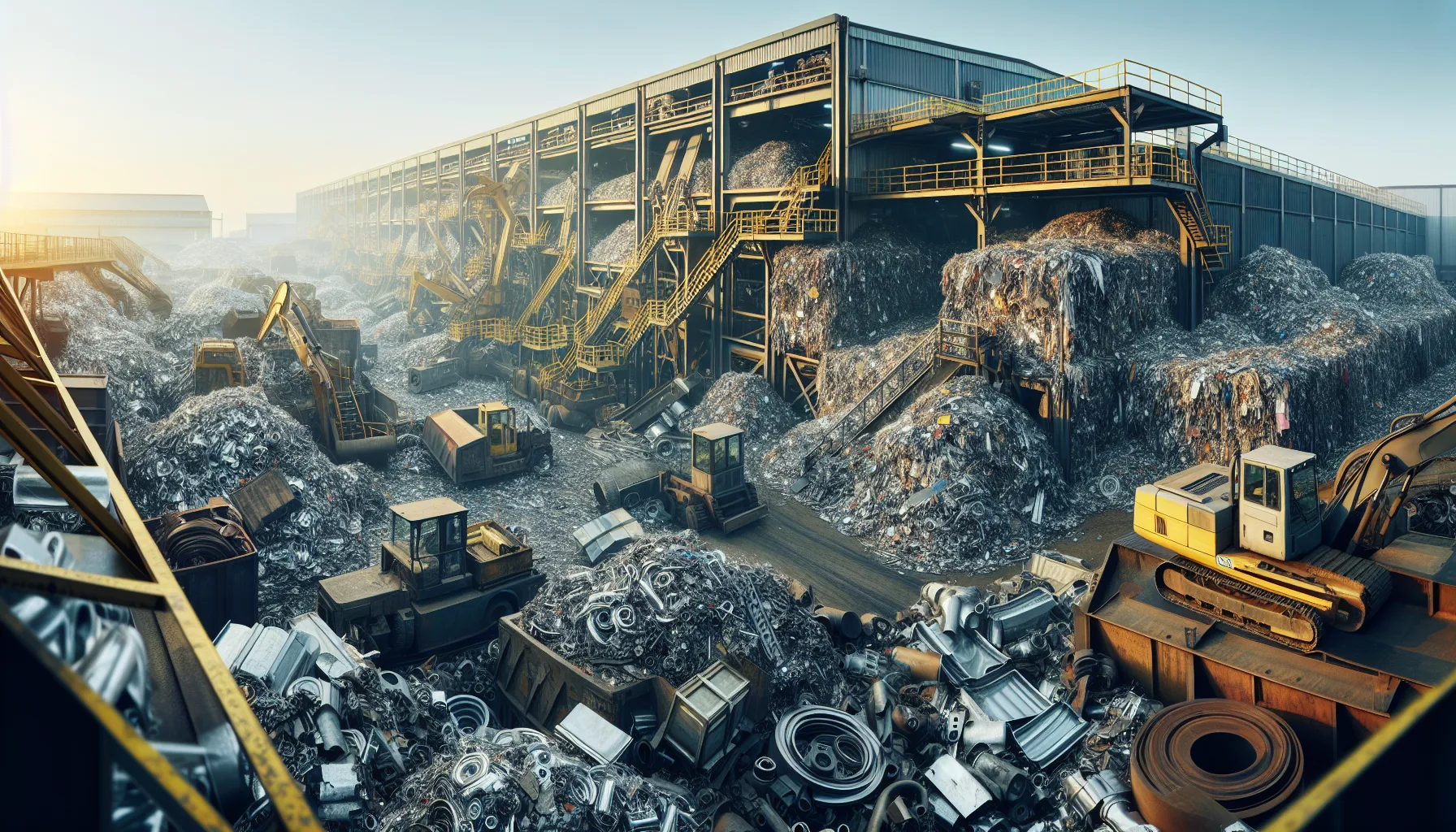
Catalytic converters contain some of Earth's rarest metals — platinum, palladium, and rhodium — making proper recycling a critical environmental imperative that also delivers substantial catalytic converter scrap value. Every year, millions of these automotive emission control devices reach end-of-life, creating both an environmental challenge and a lucrative opportunity for sellers who understand the precious metal markets driving today's pricing.
The environmental stakes couldn't be higher. Catalytic converters hold approximately 3-7 grams of platinum group metals per unit, and improper disposal means these finite resources end up in landfills instead of being recovered for future use. Meanwhile, mining new platinum and palladium requires extracting roughly 10 tons of ore per ounce of precious metal — a process that devastates ecosystems and generates massive carbon emissions.
Smart sellers in Grand Rapids and across Michigan increasingly recognize that responsible recycling delivers both environmental benefits and maximum returns. When you find the best scrap converter prices today, you're participating in a circular economy that reduces mining pressure while capturing the full value of these precious metal investments.
Understanding Catalytic Converter Environmental Impact Through Proper Recycling
The environmental significance of catalytic converter recycling extends far beyond simple waste reduction. These devices contain platinum group metals that took millions of years to form deep within Earth's crust, concentrated in just a few global mining regions. South Africa produces roughly 70% of the world's platinum, while Russia dominates palladium production.
When catalytic converters reach automotive recycling facilities, proper processing recovers 95-98% of their precious metal content. This recovery rate means that recycling one converter prevents the need to mine approximately 2,500 pounds of ore — a massive reduction in environmental disruption. The energy savings are equally impressive, as recycling precious metals requires 85% less energy than primary mining operations.
Unfortunately, improper disposal remains a significant problem. Converters thrown into regular waste streams contaminate landfills with trace amounts of precious metals that could otherwise serve industrial applications. Even worse, amateur recycling attempts using torches or grinding equipment release toxic dust and fumes into local environments.
Professional recycling facilities use sophisticated separation techniques including chemical dissolution, electromagnetic separation, and high-temperature smelting in controlled environments. These processes safely extract platinum, palladium, and rhodium while capturing and neutralizing any harmful byproducts.
How Precious Metal Markets Drive Catalytic Converter Scrap Value in Michigan
Understanding current precious metal markets helps converter sellers in Grand Rapids maximize their environmental impact while securing top dollar for their scrap. Palladium price today fluctuates based on automotive demand, supply constraints from Russian mining operations, and emerging hydrogen technology applications that require platinum group metals.
Platinum prices respond to diesel vehicle production, jewelry demand, and industrial catalyst applications beyond automotive use. Rhodium — the rarest and most volatile of the three metals — can swing dramatically based on gasoline engine emission standards and supply disruptions from South African mines.
Market volatility means that catalytic converter scrap value changes daily, sometimes hourly. A converter worth $150 on Monday might bring $180 on Wednesday if palladium prices spike due to supply concerns or increased automotive production forecasts. This volatility rewards sellers who track market conditions and time their sales strategically.
Michigan's automotive heritage creates unique opportunities for converter recycling. The state's concentration of auto manufacturing, parts suppliers, and repair facilities generates steady converter volumes that support competitive local recycling markets. Sellers near Grand Rapids benefit from this automotive ecosystem that values consistent, high-quality scrap metal supplies.
Modern recycling platforms make it easier than ever to track these market movements and connect with verified buyers. When you check current scrap converter prices, you're accessing real-time market data that reflects current precious metal values and regional demand factors.
Benefits of Selling Catalytic Converters Online Versus Traditional Scrap Yards
The decision to sell catalytic converters online versus traditional local yards dramatically impacts both environmental outcomes and financial returns. Online platforms typically connect sellers with specialized precious metal refineries that extract higher percentages of valuable materials compared to general scrap operations.
Traditional scrap yards often lack the sophisticated equipment needed for optimal precious metal recovery. They may pay based on weight rather than actual metal content, missing the opportunity to capture full value from high-grade converters. Many general yards also combine converters with other materials, diluting the recycling efficiency that makes environmental sense.
Online buyers specializing in catalytic converters invest in advanced analysis equipment that determines precise platinum, palladium, and rhodium content. This analysis-based pricing means sellers receive compensation based on actual precious metal value rather than estimated averages. The environmental benefit comes from higher recovery rates at specialized facilities designed specifically for converter processing.
Platforms like SMASH make it easy to compare offers from multiple verified buyers, ensuring competitive pricing while directing materials to facilities with optimal environmental practices. The transparency of online bidding creates market pressure for buyers to maintain high recovery standards and competitive pricing.
Online sales also eliminate the environmental cost of driving to multiple local yards seeking the best price. A single shipment to a specialized facility reduces transportation emissions while typically delivering superior environmental and financial outcomes.
Maximizing Environmental Impact While Determining Catalytic Converter Worth
Sellers asking "how much is my catalytic converter worth scrap" should consider both immediate value and long-term environmental impact when choosing recycling partners. The most environmentally responsible approach involves understanding converter types, precious metal content, and selecting buyers with proven environmental track records.
Different converter types contain varying amounts of precious metals. Original equipment (OE) converters from luxury vehicles typically hold more platinum and palladium than aftermarket replacements. Diesel converters often contain higher platinum concentrations, while gasoline units may have more palladium. Understanding these differences helps sellers target environmentally conscious buyers who maximize metal recovery.
Documentation proving legitimate ownership becomes increasingly important as environmental regulations tighten around precious metal recycling. Reputable buyers require proper documentation to ensure materials enter legal recycling channels rather than contributing to theft-driven environmental damage.
The environmental calculation extends beyond immediate recycling benefits. Sellers who research buyer practices and choose companies with strong environmental commitments multiply their positive impact. Some recyclers invest recycling profits into renewable energy projects or fund environmental restoration initiatives.
Smart sellers in Grand Rapids increasingly use online research tools to verify buyer environmental credentials before committing to sales. Read scrap converter pricing guides that evaluate buyers based on both pricing and environmental practices to make informed decisions.
Platinum Group Metals Recycling and Its Role in Sustainable Manufacturing
The concept of platinum group metals recycling ltd represents the formalization of precious metal recovery into a legitimate industry sector that supports sustainable manufacturing across multiple industries. Professional recycling operations create closed-loop systems where automotive precious metals become inputs for new vehicle production, reducing the environmental pressure on primary mining operations.
Automakers increasingly incorporate recycled platinum group metals into new catalytic converters, creating demand for high-quality recycled materials. Ford, GM, and other manufacturers with Michigan operations actively source recycled precious metals to meet sustainability targets while managing raw material costs.
The recycling industry's sophistication continues advancing with new technologies that extract ever-higher percentages of precious metals from end-of-life converters. Plasma arc furnaces, advanced chemical separation processes, and AI-guided sorting systems push recovery rates above 98% at leading facilities.
These technological advances create environmental benefits that extend beyond metal recovery. Improved processing efficiency reduces energy consumption per unit recycled, while better separation techniques minimize waste streams that require additional environmental management.
Professional recycling operations also invest in employee safety and environmental monitoring systems that prevent the releases and exposures associated with amateur recycling attempts. When sellers choose legitimate recycling channels, they support an industry infrastructure that prioritizes both worker safety and environmental protection.
Michigan's Role in the National Catalytic Converter Recycling Market
Michigan's position as an automotive hub makes the state a critical player in national catalytic converter recycling efforts. The concentration of automotive manufacturing, suppliers, and service providers in the Grand Rapids region and throughout Michigan creates both challenges and opportunities for environmental stewardship through proper recycling.
The state's automotive recycling infrastructure processes thousands of converters monthly, creating economies of scale that support advanced recycling technologies. Michigan recyclers often achieve higher recovery rates and better environmental outcomes compared to smaller operations in states with less automotive concentration.
Local demand from automotive manufacturers also means Michigan recyclers can often process materials closer to end users, reducing transportation emissions associated with shipping recycled metals to distant manufacturing locations. This geographic advantage creates environmental benefits while potentially offering better pricing for local sellers.
Michigan's regulatory environment increasingly supports responsible recycling through licensing requirements and environmental monitoring that ensures legitimate operations maintain high standards. Sellers who sell catalytic converters Michigan through licensed, monitored channels contribute to a regulatory framework that protects both environmental and economic interests.
The state's automotive expertise also drives innovation in recycling techniques. Universities, manufacturers, and recycling companies collaborate on research projects that improve precious metal recovery rates while reducing environmental impacts of processing operations.
Whether you're in Grand Rapids or elsewhere in Michigan, choosing the right recycling partner makes a measurable difference in both environmental outcomes and financial returns. SMASH Scrap — where verified buyers bid on your metal — connects sellers with buyers who demonstrate both competitive pricing and strong environmental practices, ensuring your catalytic converter recycling decision supports both your financial goals and environmental responsibility.
Frequently Asked Questions
Q: How much precious metal is actually in my catalytic converter?
Most catalytic converters contain 3-7 grams of platinum group metals combined, with the exact amount depending on vehicle type, engine size, and emission standards. Luxury vehicles and diesel engines typically contain higher concentrations, while economy cars and aftermarket converters contain less.
Q: What environmental damage occurs when catalytic converters aren't properly recycled?
Improper disposal wastes finite precious metals that require mining approximately 2,500 pounds of ore per converter. Landfilled converters also contaminate soil with trace metals, while amateur recycling attempts release toxic dust and fumes into local environments.
Q: How do I find legitimate catalytic converter buyers in Grand Rapids?
Look for buyers who require proper documentation, provide detailed pricing breakdowns based on precious metal content, and maintain business licenses for precious metal recycling. Online platforms often provide better transparency and competitive pricing compared to general scrap yards.
Q: Why do catalytic converter scrap prices change so frequently?
Prices fluctuate with global precious metal markets, which respond to automotive production forecasts, mining supply disruptions, industrial demand changes, and economic conditions. Palladium, platinum, and rhodium prices can vary significantly day to day.
Q: Is it better to sell catalytic converters immediately or wait for better prices?
Market timing requires tracking precious metal trends, but holding converters involves storage risks and potential regulation changes. Most experts recommend selling when you have proper documentation and find a reputable buyer, rather than speculating on future price movements.
Making the right choice about catalytic converter recycling creates lasting environmental benefits while maximizing your scrap value. The precious metals in your converter represent both immediate financial opportunity and long-term environmental responsibility. Find the best scrap converter prices — get a free quote at best-scrap-converter-prices.com and join thousands of sellers who choose environmentally responsible recycling that delivers competitive returns.
Stay connected with the latest scrap metal market insights and environmental recycling updates by following SMASH on LinkedIn for industry analysis and market trends.