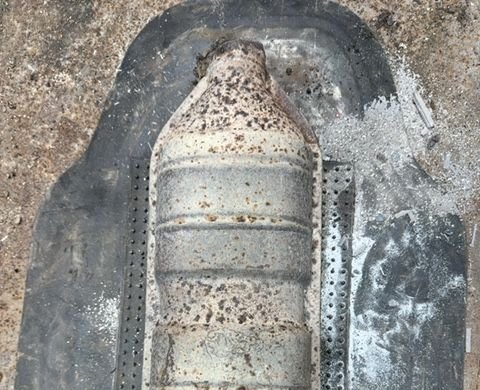
Why Emissions Rules Are Quietly Pushing Platinum Group Metal Prices Higher in 2026
Most converter sellers focus on one thing: the number on the price sheet today. But the bigger story — the one that actually moves that number — is playing out in government buildings, not scrapyards. Emissions regulations passed or expanded across North America, Europe, and Asia are creating sustained demand for platinum group metals (PGMs). And that demand flows directly into your scrap converter value. If you're a catalytic converter buyer Allentown or a seller trying to get the best price on your cores, understanding what drives PGM demand gives you a serious edge.
This is a market report for October 2026. Prices fluctuate daily — always check current scrap converter prices before making any decisions. What follows is context that helps you interpret those numbers intelligently.
What's Inside a Catalytic Converter — And Why Regulators Care
A catalytic converter is essentially a chemical reactor. It converts toxic exhaust gases — hydrocarbons, carbon monoxide, nitrogen oxides — into less harmful emissions. That reaction depends on a precise loading of platinum, palladium, and rhodium embedded into a honeycomb ceramic or metallic substrate. Without those PGMs, the converter doesn't function. Without functioning converters, vehicles fail emissions tests.
Here's what matters from a scrap value perspective: the tighter the emissions standard, the more PGM loading a converter requires. Stricter regulations don't just push automakers to install converters — they push them to install better converters with higher precious metal content. That content doesn't disappear when the vehicle is retired. It ends up in the secondary market, which is exactly where catalytic converter recycling Allentown and operations across Pennsylvania come in.
- Platinum — primarily used in diesel converters; also found in gasoline applications
- Palladium — dominant in gasoline converters; the highest-volume PGM in most North American scrap loads
- Rhodium — used in smallest quantities but often commands the highest price per troy ounce
The mix of these three metals — and their individual market prices — determines your converter scrap value on any given day. Regulations affect all three, but not equally. Understanding which metal a particular emissions standard puts pressure on helps explain price movements that otherwise seem random.
The 2026 Regulatory Landscape Driving PGM Demand
In 2026, the emissions regulatory environment is among the most demanding in history. The U.S. Environmental Protection Agency's Tier 4 light-duty vehicle standards, phased in over the past several years, require vehicles to meet cold-start emissions thresholds that older converter technology simply can't achieve. Cold-start performance demands more palladium loading in the converter substrate. More loading means more scrap value at end of life.
Heavy-duty diesel regulations continue to tighten as well. Oxides of nitrogen (NOx) limits for trucks and buses have pushed manufacturers toward advanced selective catalytic reduction (SCR) systems that also rely on platinum-based catalysts. Fleet operators replacing aging vehicles are cycling more platinum-rich converters into the scrap stream — which has meaningful implications for scrap metal prices today in markets like Allentown.
Internationally, Euro 7 standards adopted in Europe and parallel regulations across Asia have increased demand for PGMs from automakers building global platforms. What happens in European manufacturing corridors ripples through global PGM prices within days. If you're selling converters in Pennsylvania and wondering why the price on a specific unit changed, a regulatory announcement overseas may be part of the answer. You can read scrap converter pricing guides that break down how these global factors affect local converter values.
How Regulations Create Price Volatility — and Opportunity
Here's the paradox: tighter emissions regulations support long-term PGM demand, but short-term prices remain volatile. Policy announcements, implementation delays, and shifting timelines in major auto markets cause traders to reposition quickly. Palladium and rhodium in particular have seen significant swings over the past few years as the market tries to price in future regulatory demand against current supply.
For a scrap seller or catalytic converter buyer Allentown, this volatility cuts both ways. A load of converters sitting in a yard during a palladium price spike is worth significantly more than the same load during a pullback. Timing matters. But so does having the right buyer — one who's pricing against real-time PGM spot rates rather than a static price sheet that hasn't been updated since last Tuesday.
This is where platforms like smashscrap.com change the equation. Instead of calling one buyer and taking whatever they offer, SMASH puts your converters in front of vetted buyers who compete for the load. Competition helps reveal what the market actually thinks your material is worth — not what a single buyer with a margin to protect is willing to share.
Consider what drives price differences on the same unit between buyers:
- How current their PGM price data is
- Their internal assay history on that converter series
- Their current inventory position (do they need your material or not?)
- Their refinery relationships and processing costs
A buyer who needs your load today prices differently than one who doesn't. You only know that dynamic exists when multiple buyers are in the room — or on the platform.
Reading a Catalytic Converter Price List by Number in 2026
If you're actively selling converters, you've probably worked with a catalytic converter price list by number. These lists catalog specific converter part numbers and assign a scrap value based on historical assay data and current PGM prices. They're a useful starting point — but they have real limitations.
First, price lists are snapshots. A list generated last week may not reflect today's rhodium or palladium spot price. Second, condition matters. A converter with intact substrate commands a different price than one that's been rattled apart, flooded, or contaminated. Third, not all price lists are created equal. Some buyers use internal data that accounts for processing yields; others use generic industry estimates that may not reflect the actual metal content in the specific units you're selling.
When evaluating a price list or quote, ask these questions:
- What PGM spot prices is this quote based on — and as of when?
- Are you pricing this unit based on actual assay history or generic category data?
- What's the settlement period — when do I actually receive payment?
- How are damaged or partial converters handled?
Sellers in Allentown who move volume — whether from auto dismantlers, fleet maintenance operations, or aggregated collections — benefit most from working with buyers who can give transparent answers to all four questions. Documentation through photo evidence and serial or VIN tracking gives buyers more confidence and, in competitive auction environments, can support stronger bids. SMASH builds those documentation tools directly into the process, so the material is presented cleanly and completely every time.
What This Means for Sellers in Allentown and Across Pennsylvania
Allentown and the broader Pennsylvania market sit at an interesting intersection. The region has a strong industrial and transportation base — fleets, auto recyclers, and independent collectors all generate meaningful converter volume. That volume, when sold strategically, has real earning potential. But too many sellers in the area are still relying on one-call relationships with buyers who have no incentive to sharpen their pencils.
The regulatory pressure on PGMs isn't going away. Emissions standards will continue to demand higher converter performance, which means higher PGM content in the converters coming off the road over the next decade. The secondary market — the scrap recycling channel — is how those metals return to the supply chain. That positions Allentown sellers well, provided they're working with buyers and platforms that price transparently.
If you want to find the best scrap converter prices today, the starting point is understanding what's driving the underlying metals. Regulations set the floor for demand. Spot prices set the ceiling for any given day. And competition between buyers determines how much of that value lands in your pocket versus theirs.
SMASH gives Pennsylvania sellers a real alternative to the single-buyer model. Vetted buyers, competitive bidding, photo documentation, and auto-invoicing — all built for the way scrap actually moves. No subscription fees. The platform only wins when you do.
Ready to stop guessing what your converters are worth? Get a free quote and find the best scrap converter prices at best-scrap-converter-prices.com — and find out what real competition does for your price.
Disclaimer: Catalytic converter prices fluctuate daily based on platinum, palladium, and rhodium spot markets. Always verify current rates before selling. The information in this article reflects general market conditions as of October 2026.
Frequently Asked Questions
Q: How do I find a reliable catalytic converter buyer in Allentown?
Look for buyers who price against live PGM spot rates and can explain how they arrived at their number. A buyer who won't disclose their pricing basis is protecting their margin, not yours. Platforms like SMASH connect Allentown sellers with multiple vetted buyers, so you can compare offers rather than take the first one you get.
Q: Does catalytic converter recycling in Allentown pay based on the same prices as national markets?
Yes — converter values are ultimately driven by global platinum, palladium, and rhodium spot prices, regardless of your location. Local buyers in the Allentown and Pennsylvania area may apply different margins or processing assumptions, which is why getting multiple quotes always makes sense. The underlying metal market is the same everywhere.
Q: How often does a catalytic converter price list by number get updated?
A legitimate price list tied to live PGM markets should be updated daily, sometimes more frequently when metals are volatile. Static lists that haven't been refreshed in days or weeks will not accurately reflect current scrap converter prices. Always ask your buyer when their data was last updated.
Q: Why are scrap metal prices today different from what they were last month?
PGM prices respond to a wide range of factors — regulatory announcements, mining supply disruptions, automotive production data, and currency movements all play a role. Emissions regulation changes in major markets can shift demand expectations quickly, moving prices within days. Following PGM spot prices is the best way to track converter value over time.
Q: Do emissions regulations outside the U.S. affect what I get paid for converters in Pennsylvania?
Yes, indirectly. Global PGM demand is driven by emissions standards worldwide, and precious metal spot prices reflect that global picture. When Europe or Asia tightens regulations and automakers need more platinum or palladium, it pushes spot prices up — which increases the scrap converter value of material being sold right now in Pennsylvania and across North America.
Follow SMASH on LinkedIn for ongoing industry updates, PGM market insights, and scrap metal pricing trends: linkedin.com/company/scrap-metal-auction-sales-hub.
```