Most converter sellers focus on the wrong number. They check what a local buyer quoted them last week — and call it market rate. Meanwhile, the platinum price today shifted, palladium moved, and rhodium did something dramatic. The quote they got yesterday may already be stale.
If you want the best scrap converter prices, you need to understand what actually drives that number. It's not arbitrary. It's not a gut feeling from a buyer on the phone. It's chemistry, commodity markets, and math — and once you understand the formula, you'll never accept a lowball offer again.
The Three Metals Inside Every Catalytic Converter
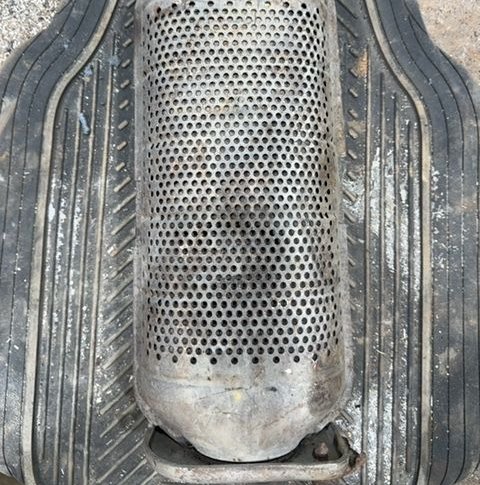
Every catalytic converter contains a ceramic or metallic substrate coated with a wash of precious metals. Those metals do the actual work — converting toxic exhaust gases into less harmful emissions. And those metals are exactly why your old converter has real value in 2026.
The three metals that matter are:
- Platinum (Pt) — Used across a wide range of converter types, especially in diesel applications. The platinum price today directly affects the base value of most converters on the market.
- Palladium (Pd) — Historically dominant in gasoline-powered vehicles, palladium has seen significant price volatility over the past several years. It remains a major value driver in many common converter types.
- Rhodium (Rh) — The wildcard. Rhodium is rarer than platinum and palladium, used in smaller quantities, but it commands dramatic price premiums. A small shift in rhodium markets can swing your converter's value significantly.
Not every converter contains all three in equal measure. The mix depends on the vehicle make, model, year, and which manufacturer built the original converter. A small foreign converter from a compact car carries a different PGM (platinum group metal) profile than a large OEM unit from a pickup truck or an exotic converter from a European luxury vehicle. That difference in content is exactly why two converters that look similar on the outside can have very different scrap values.
How the Platinum Price Today — and Its Siblings — Set Your Floor Value
Here's how the pricing math works in practice. Buyers and processors use assay data — either from their own refining results or from established converter databases — to estimate how many troy ounces of platinum, palladium, and rhodium a given converter contains. They then multiply those estimated quantities by the current spot price for each metal. That calculation gives them a gross metal value.
From that gross value, buyers subtract:
- Processing and refining costs — It takes real work (and real equipment) to extract PGMs from a converter substrate. Those costs come off the top.
- Assay risk — Database estimates aren't perfect. Buyers build in a margin for the possibility that a unit assays lower than expected.
- Logistics and overhead — Shipping, handling, sorting, and the cost of doing business.
- The buyer's margin — They're running a business, not a charity.
What you receive as a seller is the net of all those deductions. The bigger the spread between gross metal value and what a buyer offers you, the more margin they're capturing. That's why competition between buyers matters. When multiple vetted buyers compete for your material, that spread compresses. Platforms like get competitive bids for your scrap metal — which is exactly how sellers stop leaving money on the table.
The platinum price today is publicly available on commodity exchanges. So is palladium. So is rhodium. There's no reason a seller should walk into a transaction blind. If a buyer can't explain how they arrived at their offer, that's a red flag.
Why Rhodium Can Make or Break Your Converter's Value
Rhodium deserves its own section because it behaves differently from platinum and palladium. It's extracted almost entirely as a byproduct of platinum and palladium mining — meaning supply is structurally constrained. And demand doesn't disappear. Rhodium is critical for three-way catalytic converters, which remain standard across gasoline vehicles worldwide.
That supply-demand dynamic creates price swings that can seem extreme to outsiders. When rhodium prices spike, converters that were barely worth processing suddenly become high-value material. When rhodium pulls back, those same units lose significant value fast. If you're holding a load of converters and waiting for the right moment to sell, rhodium is the number you should be watching alongside the platinum price today.
For sellers in Boston and throughout Massachusetts, this volatility cuts both ways. A yard sitting on inventory during a rhodium run can see meaningful upside. But waiting too long on a downturn means selling into a weaker market. The answer isn't to guess — it's to use competitive pricing so you're always seeing what buyers actually pay right now, not what they paid last quarter.
What Makes a Catalytic Converter Buyer in Boston Worth Working With
Not every buyer values your converters the same way. Some use outdated database references. Some apply blanket pricing tiers that don't reflect current spot markets. Some simply pay what they think you'll accept. The variance between a strong offer and a weak one on the same unit can be substantial — and that gap is pure margin for the buyer, not you.
A legitimate catalytic converter buyer in Boston should be able to tell you:
- Which pricing database or assay methodology they're using
- How current their price references are (daily updates matter)
- What percentage of gross metal value they're returning to the seller
- Whether they handle documentation — BOLs, packing lists, photo records — correctly
Massachusetts has a dense network of recycling operations, and the Boston metro area alone has real volume moving through the converter market every week. That means competition exists — but you have to access it. Calling one buyer and taking their number isn't competition. It's capitulation. For Boston scrap metal services that actually connect you with multiple vetted buyers, the difference in what you receive can be significant.
SMASH is built specifically for this problem. The platform brings vetted buyers into a competitive auction environment, so the price discovery process reflects actual market demand — not a single buyer's margin targets. If you want to find the best scrap converter prices today, the starting point is putting your material in front of more than one buyer.
Documentation, VIN Lookup, and Why Buyers Pay More for Clean Loads
Here's something sellers often underestimate: how you present your material affects what you get paid. A load of converters that arrives with accurate counts, proper photo documentation, serial numbers, and clear identification commands more buyer confidence. More confidence means buyers don't have to build in as much assay risk — which means they can offer more.
SMASH's platform includes tools that make this straightforward. VIN lookup, serial tracking, and photo documentation aren't just paperwork — they're trust signals that let buyers bid more aggressively because they know what they're buying. A mystery load gets priced for worst-case scenarios. A documented load gets priced for what it actually is.
For volume sellers — yards, dismantlers, or dealers moving regular loads of cores — this documentation discipline compounds over time. You build a track record with buyers. That track record translates into better bids on future material. The yards doing this right in Massachusetts aren't just selling smarter on individual loads. They're building a pricing advantage that grows.
Want to see what this looks like in practice? Read scrap converter pricing guides that break down the process step by step.
How to Use Live Metal Prices to Evaluate Any Offer You Receive
You don't need to be a commodity trader to protect yourself. You just need a basic framework for sanity-checking any offer you receive. Here's a practical approach:
- Look up today's spot prices. Platinum, palladium, and rhodium prices are available from commodity exchanges and financial data sites. Check the platinum price today before any sale conversation.
- Identify your converter type. Is it a domestic or foreign unit? A diesel or gasoline application? A small economy car converter or a large truck unit? General category affects PGM content estimates significantly.
- Ask the buyer how they arrived at their number. A buyer who can walk you through their math — even roughly — is more trustworthy than one who gives you a flat number with no explanation.
- Get more than one offer. This is the most important step. A single offer tells you nothing about the market. Two or three competitive offers tell you where real demand sits.
- Factor in terms, not just price. Payment timing, documentation requirements, logistics, and buyer reliability all affect the real value of an offer.
The market for converter scrap is efficient when sellers act like it is. When sellers accept the first offer without comparison, buyers have no incentive to be competitive. The sellers who check current scrap converter prices consistently and demand competitive offers are the ones building real margin into their operations.
SMASH makes that competition systematic. No cold calls. No guessing. No single buyer setting the price because you didn't know who else to call. The auction format does the work of finding market value, so you don't have to.
If you're moving converter material in Boston, Massachusetts, or anywhere across the country, the process is the same: document your material, understand what's inside it, and let vetted buyers compete. That's how you stop leaving money in someone else's pocket.
Frequently Asked Questions
Q: How does the platinum price today affect what I get paid for a catalytic converter?
Platinum is one of the three primary precious metals — alongside palladium and rhodium — found in catalytic converters. Buyers calculate gross metal value by multiplying estimated PGM content by current spot prices. When the platinum price today rises, the gross value of platinum-heavy converters rises with it. The key is ensuring the buyer's offer actually reflects current prices, not outdated database figures.
Q: Where can I find a legitimate catalytic converter buyer in Boston?
Boston and the broader Massachusetts market have active converter buyers, but not all of them offer competitive pricing. Look for buyers who are transparent about their pricing methodology and who update their offers based on current spot markets. Platforms like SMASH connect sellers with vetted buyers across North America in a competitive auction format, which tends to produce better price discovery than a single-buyer phone call.
Q: What's a catalytic converter auction, and is it better than selling to a local buyer?
A catalytic converter auction puts your material in front of multiple vetted buyers at once, creating competition that drives offers toward real market value. Selling to a single local buyer means accepting whatever margin structure that buyer applies. Auctions don't guarantee a specific price, but competition tends to compress the gap between gross metal value and what the seller receives.
Q: Does documentation actually affect how much I get paid for converter scrap?
Yes, meaningfully. Buyers price unknown or poorly documented loads to account for assay risk — they build in a buffer for the possibility that units contain less PGM than expected. When you provide serial numbers, photos, and accurate counts, buyers can bid with more confidence. That confidence translates directly into offers that are closer to actual metal value.
Q: Are converter prices the same across Massachusetts, or do they vary by location?
The underlying metal prices are set by global commodity markets and don't change by geography. What does vary is the buyer's margin, logistics costs, and how competitive the local buyer pool is. Sellers in the Boston metro area have access to multiple buyers, but accessing that competition requires going beyond a single call to a neighborhood yard. Using an auction-based platform levels the field regardless of where in Massachusetts you're located.
Ready to stop guessing what your converters are worth? Find the best scrap converter prices with a free quote at best-scrap-converter-prices.com — and see what real market competition looks like.
Follow SMASH on LinkedIn for ongoing scrap metal market insights, precious metal updates, and converter pricing news you can actually use.
```