Why Your Converter's Value Changed Overnight — And What to Do About It
You pulled a catalytic converter off a vehicle, looked up a price online, and by the time you called a buyer, the number had moved. Sound familiar? That's not a glitch. That's the global precious metals market doing exactly what it does. If you're a catalytic converter buyer Cincinnati or a yard operator in Ohio trying to get consistent converter scrap value, understanding what drives those swings puts money back in your pocket.
This isn't abstract economics. Platinum, palladium, and rhodium — the platinum group metals (PGMs) locked inside every catalytic converter — trade on international commodity exchanges 24 hours a day. A mine strike in South Africa, a policy shift in Beijing, a surge in European auto production: all of it ripples directly into what your converter is worth on a Tuesday morning in Cincinnati. The yards and sellers who understand this connection price smarter, sell faster, and stop leaving money on the table.
Let's break down exactly how those global forces translate into your converter scrap value — and what you can do to act on that knowledge.
How Global PGM Markets Set the Floor on Converter Scrap Value
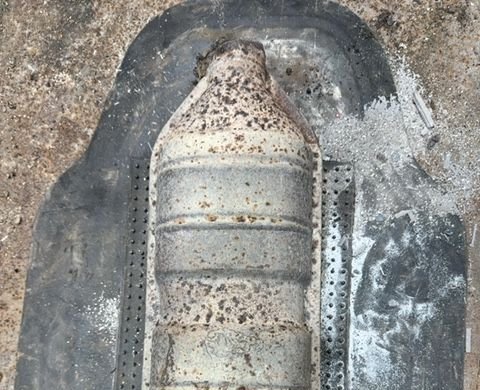
Every catalytic converter contains a substrate coated with some combination of platinum, palladium, and rhodium. The specific mix depends on the vehicle make, model, year, and engine type. These three metals are priced in troy ounces on global commodity markets — and their prices are volatile in ways that make copper look stable.
Rhodium, for example, has historically swung from under $1,000 per troy ounce to well over $20,000 within a few years. Palladium has followed dramatic cycles tied to gasoline vehicle production volumes and emissions regulation timelines. Platinum has its own demand drivers, including hydrogen fuel cell development and diesel engine regulations in Europe. None of these prices are set by your local scrap yard. They're set by traders, industrial consumers, and macro forces operating on a global scale.
- South African supply disruptions — Over 70% of the world's platinum and rhodium comes from South Africa. Labor unrest, power grid issues, or regulatory changes there can tighten supply and push prices up quickly.
- Chinese auto sector demand — China manufactures and sells more vehicles than any other country. When Chinese auto production ramps up or slows down, PGM demand shifts accordingly.
- European emissions standards — Stricter European regulations increase the PGM loading in converters manufactured for that market. As noted in research on recycling the platinum group metals a European perspective, tightening emissions targets have historically driven higher PGM content in catalytic converters, which eventually flows into higher scrap value as those vehicles age out.
- Currency fluctuations — PGMs are priced in USD globally. When the dollar strengthens or weakens, it affects the effective cost of recycled PGMs for international buyers.
The practical takeaway: your converter's scrap value is a function of chemistry (how much PGM is inside) and global commodity pricing (what that PGM is worth today). Both are knowable. Neither should be a mystery at the point of sale.
What Cincinnati Sellers Often Get Wrong About Converter Pricing
Sellers in Cincinnati and across Ohio frequently make one of two mistakes. They either accept the first price offered without any reference to current PGM spot rates, or they hold inventory too long waiting for a price spike that may not come — or may already have passed.
The old-school approach to catalytic converter recycling Cincinnati looked like this: pull a converter, call one buyer, take what they offer, move on. That model benefits the buyer, not the seller. Single-buyer pricing gives you one data point. One data point is not a market — it's a guess, and usually a conservative one weighted in the buyer's favor.
What experienced sellers in Ohio understand is that converter prices move in response to real-time PGM data, not weekly price sheets. A buyer who updates their pricing once a week is effectively offering you last week's market. When PGM prices are rising, that gap costs you money. When they're falling, the buyer adjusts faster than you think.
Documentation matters too. Buyers pay more confidently when they know exactly what they're buying. Photo documentation, serial tracking, and accurate part identification — the kind of tools built into platforms like sell your scrap metal on the SMASH marketplace — give buyers the confidence to bid higher. Documented inventory reduces buyer risk. Reduced buyer risk means stronger offers.
The Case for Competitive Auctions: A Smarter Way to Sell Converters in Ohio
Here's the core problem with the single-call model: it removes competition. And competition is the only mechanism that reliably surfaces the true market value of anything.
When you bring a load of converters to market through a competitive auction platform, multiple vetted buyers see the same lot at the same time. They bid against each other. That dynamic — real buyers competing for the same inventory — is how price discovery actually works. It's how commodity markets work. It's how you stop guessing and start knowing.
Platforms like SMASH were built specifically to solve this problem for yard operators and scrap sellers. No subscription fees. Vetted buyers. Transparent auction format. Auto-invoicing. The model is straightforward: more buyers seeing your inventory means more competition, and more competition can help reveal the true market price for your converters. SMASH only wins when you win — that alignment of incentives matters.
If you're in Cincinnati or anywhere in Ohio and you're still running the one-buyer, one-phone-call model, the math on what you're leaving behind is worth thinking about seriously. To find the best scrap converter prices today, you need multiple buyers in the room — not one.
Reading PGM Market Signals Before You Sell
You don't need a commodities trading background to use PGM market data intelligently. You need a few consistent reference points and the discipline to check them before you make a sale decision.
Here are the signals that experienced converter sellers in Ohio track:
- Daily platinum, palladium, and rhodium spot prices — Available through commodity data providers and financial market feeds. Know where each is trading before you quote or accept a price.
- Trend direction over 30 days — A single day's price tells you today's market. A 30-day trend tells you whether momentum is working for or against you.
- Auto production data — New vehicle production drives PGM demand. When production volumes are high, PGM consumption is high, and scrap converter values tend to follow.
- Refinery capacity and processing backlogs — Tight refinery capacity can affect how quickly buyers turn around converters, which sometimes creates pricing pressure on the buy side.
- Currency and macro indicators — USD strength affects international PGM demand and can influence domestic pricing indirectly.
None of this requires advanced analysis. It requires a habit. Sellers who check PGM spot rates daily make better timing decisions than those who don't. Pair that habit with competitive buyer access through a platform that reflects real-time market conditions, and you've fundamentally changed how you sell converters.
To check current scrap converter prices and understand how today's PGM rates translate into converter scrap value, use resources built specifically for this market — not generic commodity data aggregators that don't account for converter-specific processing spreads.
Cincinnati's Converter Market in a North American Context
Cincinnati sits at a practical crossroads for scrap metal movement in the Midwest. Ohio's industrial base, its density of auto repair shops, salvage yards, and fleet operators, generates meaningful converter volume. That volume is attractive to buyers — which means Cincinnati sellers have real leverage if they use it correctly.
The challenge is that local pricing norms can lag national and international market conditions. A catalytic converter buyer Cincinnati operating on a traditional model may not update pricing as frequently as global PGM movements warrant. That gap between local pricing norms and actual market conditions is exactly where sellers lose value without realizing it.
If you're using Cincinnati scrap metal services that connect you to a broader network of vetted buyers — not just local yards — you're accessing pricing that reflects the full competitive market, not just what one buyer in your zip code decides to offer today.
For sellers who want to go deeper on how converter pricing works across different lot types and vehicle categories, read scrap converter pricing guides that break down the variables driving scrap converter value across the North American market.
Disclaimer: Converter scrap prices fluctuate daily based on precious metal spot markets. All pricing information should be verified against current PGM rates at the time of sale. Never make a sale decision based on static price lists.
Frequently Asked Questions
Q: What makes catalytic converter prices change so frequently in Cincinnati?
Catalytic converter prices are tied directly to platinum, palladium, and rhodium spot prices, which trade globally and can move daily. When those commodity prices shift due to mining supply, auto industry demand, or macroeconomic factors, converter scrap values in Cincinnati move with them. Local buyers may not always update their offers as frequently as the market moves, which is why comparing multiple buyers matters.
Q: How do I know if I'm getting a fair price for my converters in Ohio?
Fair price discovery requires competition. Getting one offer from one buyer doesn't tell you the market — it tells you what that buyer wants to pay. Using an auction-style platform that exposes your inventory to multiple vetted buyers simultaneously gives you a real market price. Cross-referencing current PGM spot rates before you sell also helps you evaluate whether an offer makes sense.
Q: Does the type of vehicle affect how much my converter is worth?
Absolutely. Different vehicles carry different PGM loadings in their converters. Trucks and SUVs with larger engines typically have higher-value converters than small sedans. Diesel vehicles use different catalyst formulations than gasoline vehicles. Hybrid vehicles often have converters with elevated PGM content because their engines run less frequently and the converters must compensate. VIN lookup tools and serial tracking help identify the specific converter type and its corresponding value.
Q: Is it worth waiting for PGM prices to rise before selling my converter inventory?
Timing the PGM market is difficult even for professional commodity traders. Holding inventory carries risk — prices can move down as easily as up, and storage and insurance costs add up. A more reliable strategy is to sell into competitive buyer markets that reflect current pricing rather than trying to time peaks. Consistent access to competitive pricing is more valuable over time than occasional timing wins.
Q: What is the difference between a local scrap yard offer and an auction platform price for converters?
A local yard offer reflects one buyer's cost structure, margin requirements, and pricing update frequency. An auction platform price reflects what multiple qualified buyers are willing to pay competitively for the same lot at the same time. Competition between buyers is the mechanism that surfaces true market value — that's the fundamental difference. More buyers bidding means better price discovery for the seller.
If you're serious about getting the best converter scrap value for your inventory, the starting point is straightforward: access real market pricing, document your loads properly, and put them in front of competitive buyers. That's exactly what best-scrap-converter-prices.com is built to help you do. Find the best scrap converter prices today — get a free quote and see what your converters are actually worth in today's market.
Stay current on PGM market movements and scrap converter pricing trends by following SMASH on LinkedIn — practical industry updates, no filler.
```