Best Scrap Converter Prices · United States seller guide
Converter construction and identification differ from unit to unit.
A clear set of photographs makes it easier to identify what you have and ask the right questions. Show the whole converter, its markings and its condition without hiding the details that matter.
Selling from the United States? Start with photos and source details for eligibility review. An account or request is not approval to sell or ship. Wait for SMASH to confirm the applicable route and receiving instructions.
Before you send your photos
- Show the whole converter in good light.
- Add readable close-ups of its stamped markings.
- Show visible damage and explain any known missing material.
- Include a quantity overview, the material location and known source details.
In this guide
Start with the whole converter
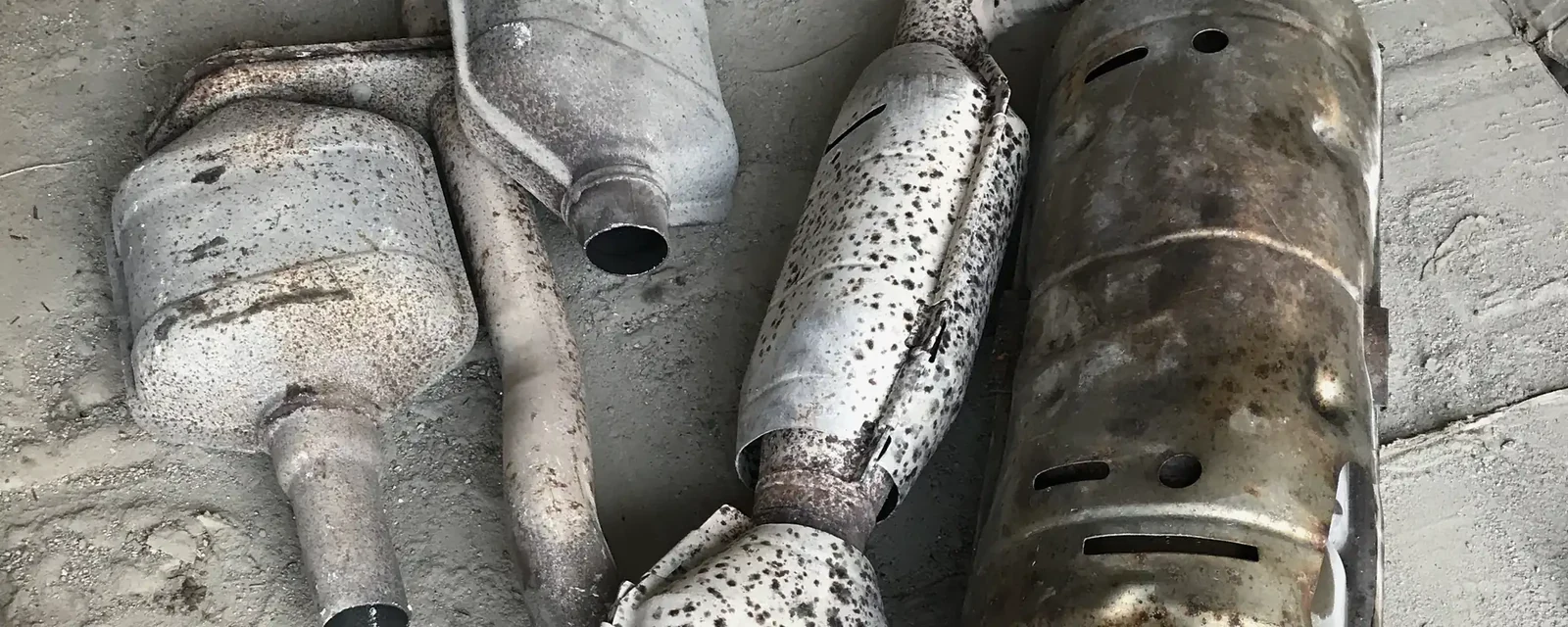
Place the converter somewhere stable and well lit. Take a photograph that shows its overall shape, shell, ends and any attached sections. Leave enough space around it for the viewer to understand what is included. A close-up of one number is useful, but it cannot replace the photograph of the complete unit.
Use natural light or steady workshop lighting and check the image before uploading it. If the converter is dark, blurred or hidden behind other scrap, take another photograph. Do not balance heavy or sharp material in an unsafe position just to get a better angle.
Make the identification readable
Add a close-up of any stamped serial number, part number or manufacturer marking you can find. Photograph the marking from an angle that avoids glare and makes the characters readable. Include a wider view if the location of the marking helps connect it with the whole converter.
Tell us the vehicle make when you know it. If you do not know, use the form's available unknown option or describe what information you have. A vehicle badge or identification photograph can provide context, but it is different from the converter's own stamped code. Do not invent missing characters or identify a converter from shape alone.
Show the condition honestly
Take additional views of visible damage, open ends, repairs or missing sections. If you know material is missing from inside the converter, say so. A photograph should help us understand the actual unit being offered, including anything that may affect its identification or recoverable material.
Do not cut open, empty or crush a converter to prepare a quote photograph. Keep the material as you have it and ask what further information is needed. If the condition cannot be established from the first set of photos, additional review may be necessary before an offer can be prepared.
Keep several converters easy to follow
For a lot with several converters, begin with an overview showing the quantity. Then photograph each unit and its markings in a consistent order. A simple removable reference beside each item can help distinguish similar-looking units without altering their permanent markings.
Explain whether two pictures show different converters or two sides of the same converter. This matters when units look alike: a count of uploaded images is not a count of physical converters. Before submitting, compare the quantity you entered with the material shown and remove accidental duplicate uploads if the form allows it.
Send the context needed for the next step
Include your contact details, location and the information the enquiry form asks for. These details help us review the material and consider the practical shipping or collection arrangement. Add a short note about the source of the converters and any uncertainty about identification or condition.
Use the requested ownership or identity document step when those records are needed. Keep unrelated documents, other people's information and personal items out of the material photographs. Review what you are sending before you submit: clear evidence is more useful than a large set of nearly identical images.
A photo starts the review
Photographs support identification and a proposed offer, but they cannot establish every detail of the received material. The accepted offer explains the lot, price and inspection terms. Keep a copy of your submission, and do not arrange shipment until the applicable instructions and sale terms are confirmed.
Questions sellers ask
What if I cannot find a stamped number?
Send clear whole-unit photographs and explain that you could not locate a marking. Do not guess a code. We may need more information to identify it.
Should I photograph both sides?
Yes, when another view reveals the shape, a marking or a condition detail. Make clear that the views belong to the same physical unit.
Does the photo quote replace inspection?
No. Photographs begin the review. The material received is checked under the inspection and payment terms of the accepted offer.