Best Scrap Converter Prices · United States seller guide
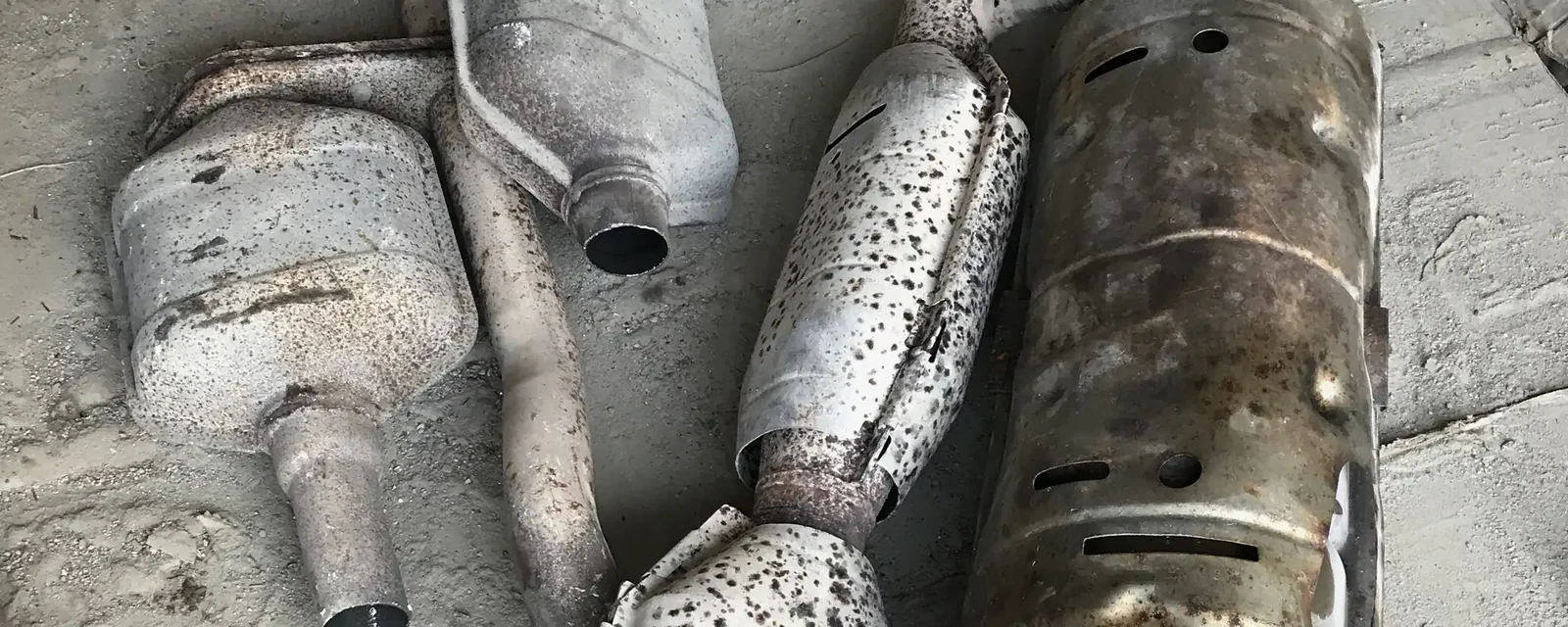
Converter construction and identification differ from unit to unit.
A useful quote starts with identification and clear photos. Receiving is where the actual lot is checked against the agreement, with quantities, condition and any differences recorded before the payment step proceeds.
Selling from the United States? Start with photos and source details for eligibility review. An account or request is not approval to sell or ship. Wait for SMASH to confirm the applicable route and receiving instructions.
In this guide
The agreed offer is the starting point
Before a lot is sent, the accepted offer should identify what is being sold and the terms that apply. Review the quantity, amount, currency, shipping arrangement and inspection conditions. Keep those details with your sale records so the material sent can be matched to the agreement.
A general precious-metal price, an earlier enquiry or a photograph of another converter does not set the payable amount for your lot. Send only the agreed material and follow the confirmed transport instructions. Include the sale record or identification requested for that shipment, rather than adding an unrelated lot to the same box.
Identification gives the condition checks context
Converter identification brings together the unit's markings, its appearance and the vehicle information available. This helps distinguish converter types instead of assuming that every similarly shaped shell contains the same material. Photographs provided before shipping remain useful context when the actual lot is reviewed.
Condition matters alongside identification. Damage, missing internal material or a unit that differs from the description may need further review. Describe known issues at the enquiry stage and show them in your photographs. The goal is to make the agreed lot and the received lot easy to compare.
Quantities and inspection evidence are recorded
The receiving process records how many converters have physically arrived and how many have been accepted, rejected or remain uninspected. A physical receipt is not automatically the same as completion of every inspection check. Recording the quantities separately helps avoid treating an unchecked item as accepted.
Inspection information is connected with the applicable offer and transport record. Supporting evidence and any discrepancy are recorded with the review. If the lot is checked in stages, later information belongs to the same cumulative receiving record rather than being counted as a second shipment.
Differences need review before payment approval
A lot that matches the agreed quantity and passes its inspection checks can proceed through the receiving workflow. If there is a difference, the sale can remain on hold while it is reviewed. Examples include a quantity mismatch, rejected material or an unresolved condition discrepancy.
A hold gives the receiving team time to review a difference and confirm the next step using the accepted offer and recorded evidence. Keep your account details current and respond to clarification requests so the lot can move forward.
Grading and laboratory assay are different concepts
Identification and condition review help establish what a converter is and whether it matches the agreed material. A laboratory assay is an analytical measurement of material composition. In the wider recycling industry, representative samples of prepared lots can be used to establish precious-metal content.
Your offer and inspection terms explain how the lot will be valued. Industry transactions may use converter identification or an assay of prepared material. Ask which method applies to your sale before accepting, so you know how the inspection relates to the offer.
Payment follows the agreed sale steps
Payment approval is a separate step linked to the accepted offer, verified recipient and completed receiving requirements. Your account provides the available shipping and payment information for your sale. Keep confirmation records together, and rely on the agreed terms rather than an assumed payout deadline.
Questions sellers ask
Is arriving at the receiving address the same as being approved for payment?
No. Receipt, inspection and payable approval are separate steps. The material and the required records must be reviewed under the accepted offer.
What happens if the quantity does not match?
The difference is recorded for review. The sale may be held while the received and agreed quantities are reconciled.
Will every converter be laboratory tested individually?
Do not assume that. Identification, condition grading and a representative laboratory assay are different methods. Your agreed terms govern the sale.