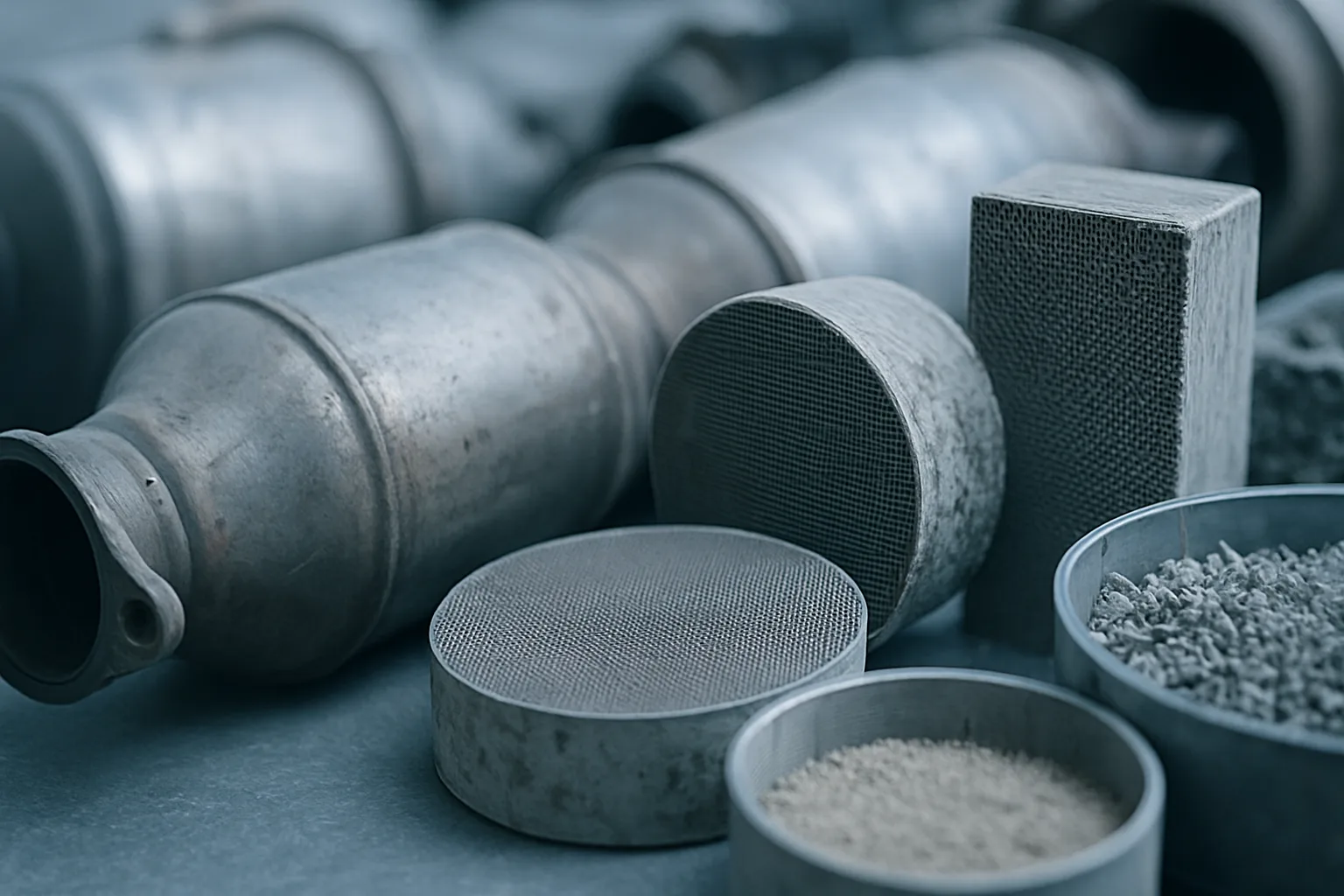
Auto shops sitting on a pile of spent catalytic converters are leaving real money on the table. If your shop pulls converters regularly — from emissions repairs, engine swaps, or end-of-life vehicles — you're generating a scrap stream worth paying close attention to. The precious metals inside those units (platinum, palladium, and rhodium) drive converter scrap value, and that value swings hard with the market. Knowing how to move bulk inventory the right way is the difference between a fair price and a great one.
Finding a reliable catalytic converter buyer Atlanta shops can actually trust is trickier than it sounds. This guide cuts through the noise. Whether you're pulling five converters a week or fifty, here's how to maximize what you get for your scrap.
---Why Bulk Selling Beats One-Off Converter Sales
Most auto shops make the same mistake: they sell converters as they pull them. One unit here, two units there. That approach feels convenient, but it costs you. Buyers price individual units with a buffer — they're hedging against uncertainty. When you bring volume, you change the dynamic entirely.
Bulk loads give buyers confidence. They can grade more accurately, process more efficiently, and pass some of that efficiency back to you in price. A shop moving 20 or more units at a time has real negotiating leverage. The key is organizing your inventory so buyers can assess it cleanly and quote with confidence.
- Hold converters until you have a meaningful quantity — even 10-15 units shifts your position.
- Keep units separated by type if possible (foreign vs. domestic, pre-OBD vs. post-OBD).
- Avoid crushing or cutting units before sale — intact converters grade higher.
- Store in a dry area to prevent moisture damage to the substrate.
How to Document Your Converter Inventory Before You Sell
Documentation is the move most shops skip — and it's the one that costs them most. Buyers quote lower when they can't see what they're getting. Documented inventory, with photos and serial numbers where available, gives buyers enough confidence to offer more. It also protects you if a dispute comes up later.
For each load you're selling, build a basic inventory record. You don't need anything fancy. A spreadsheet with photos works. Platforms like compare scrap metal bids from verified buyers — and they're built around documented loads specifically because it drives better price discovery. More buyer confidence means more competitive bids on your material.
Here's what to capture for each converter:
- Photo of the unit — both ends, plus the substrate if visible
- Serial number or part number if legible on the shell
- Vehicle make and model it came off (helps identify the substrate type)
- Condition notes — cracked substrate, intact, melted, or gutted
- Approximate size — small foreign, large foreign, domestic, diesel
This takes 10-15 minutes per load if you build it into your pull process. Your service techs can snap photos as units come off. That small habit turns into real dollars when you go to sell.
Understanding Catalytic Converter Scrap Value: What Drives the Price
Auto shops selling catalytic converter scrap metal often get caught off guard by price swings. The value isn't tied to the steel shell — it's the precious metals locked inside the ceramic or metallic substrate. Platinum, palladium, and rhodium are the three primary drivers, and they trade on global commodity markets that move daily.
When palladium runs high, certain foreign units become extremely valuable. When rhodium spikes, diesel catalytic converters attract serious attention. The substrate loading — how much precious metal content is packed into the honeycomb — varies significantly by manufacturer, vehicle type, and model year. That's why two units that look identical on the outside can have very different scrap prices.
A few factors that directly impact your converter scrap value:
- Precious metal spot prices — platinum, palladium, rhodium change daily
- Substrate condition — intact substrates yield more than cracked or melted ones
- Unit type — high-grade foreign units typically outperform standard domestic
- Aftermarket vs. OEM — aftermarket converters carry far less precious metal content
- Market demand from smelters — processor capacity and refinery schedules affect spot buyback
The bottom line: check current scrap converter prices before you commit to any buyer. Prices fluctuate week to week, and locking in a deal when the market dips means leaving money on the table.
Disclaimer: Catalytic converter prices fluctuate based on precious metal spot markets. Always verify current rates before selling.
Finding a Catalytic Converter Buyer in Atlanta That Pays Fairly
Atlanta's auto recycling market is active. There are yards, brokers, and processors all competing for converter inventory — which is good news for shops with volume. But not all buyers operate the same way. Some quote based on real-time precious metal data. Others use flat-rate pricing sheets that haven't been updated in weeks. That gap can cost you significantly on a bulk load.
When evaluating a catalytic converter buyer Atlanta shops should ask three direct questions:
- How do you price converters? — Are they using current spot prices or flat rate guides?
- Do you offer written quotes before I ship or drop off? — Verbal quotes disappear fast.
- What's your payment timeline? — Some buyers pay on delivery; others net 30. Know before you commit.
Georgia yards vary widely on all three. Atlanta in particular has a mix of full-service recyclers and broker operations, and the difference matters when you're moving 20+ units at a time. Work with buyers who provide written quotes tied to spot prices on the day of transaction. Anything else is guesswork.
SMASH changes this dynamic. Instead of calling one buyer and hoping the quote is fair, SMASH puts your load in front of vetted buyers who compete for it. Competition reveals the market. That's the principle — and it's the same one that makes auction formats work for scrap. If you haven't explored how Atlanta scrap metal services work through a competitive platform, that's where to start.
Compliance and Chain of Custody: What Atlanta Auto Shops Need to Know
Catalytic converter theft remains a serious issue across Georgia and the broader Southeast. As a result, regulations around converter sales — particularly for businesses — have tightened at both the state and federal level in recent years. Georgia has specific requirements around seller identification, record-keeping, and payment methods for converter transactions. Auto shops selling legitimate scrap should be operating cleanly on this front already, but it's worth reviewing your process.
For shops selling in bulk, documented chain of custody matters. Buyers increasingly require proof that units were legitimately removed — shop records, vehicle documentation, and employee sign-off. This isn't bureaucratic overhead; it's protection. Shops with clean records move through the sale process faster and face fewer delays at the buyer end.
- Keep repair orders attached to any converters pulled during service work.
- Document vehicle VINs when possible — SMASH's VIN lookup feature supports this directly.
- Understand your state and local requirements for scrap metal transactions in Georgia.
- Choose buyers who maintain proper records — it protects you downstream.
SMASH supports serial tracking and photo documentation built into the listing process. That means your compliance record and your sales record are the same document. Less admin, cleaner transactions.
Getting the Best Converter Price: Practical Steps for Atlanta Auto Shops
If you're serious about maximizing what your shop earns from catalytic converter recycling Atlanta area buyers offer, the process is straightforward. The shops that do this well aren't doing anything complicated — they're just consistent about a few key habits.
Here's the short version of what works:
- Build inventory before you sell. Don't trickle units out one at a time. Volume gives you leverage.
- Document everything. Photos, part numbers, vehicle info. Documented loads get better quotes.
- Check spot prices first. Know roughly what the market is before you take any quote. Find the best scrap converter prices today so you're walking into the conversation informed.
- Get competitive quotes. Never accept the first offer on a bulk load. More buyers mean better price discovery.
- Work with vetted buyers. Not every buyer in the Atlanta market operates with the same standards. Stick with buyers who provide written quotes and clear payment terms.
- Use SMASH. Putting your load on SMASH means vetted buyers see it and compete for it. That's a fundamentally different outcome than a single cold call to a yard.
For shops that want to read scrap converter pricing guides and stay current on how the market works, consistent education pays off. Precious metal markets move fast. The shops that track them make better decisions about when to sell and when to hold.
When you're ready to move your next bulk load, the process starts with a quote. SMASH makes that simple — list your inventory, let vetted buyers compete, and get a clear number without the guesswork. That's how Atlanta auto shops stop leaving money in the parts bin and start getting paid what their scrap is actually worth.
---Frequently Asked Questions
Q: How do I find a reliable catalytic converter buyer in Atlanta?
Look for buyers who price based on current precious metal spot prices — not static flat-rate sheets. Ask for written quotes before you commit to a sale. Platforms like SMASH connect you with vetted buyers who compete for your inventory, which helps surface real market value rather than a single buyer's offer.
Q: How much is a scrap catalytic converter worth in Georgia?
Converter scrap value varies significantly based on unit type, substrate condition, and precious metal spot prices on the day of sale. High-grade foreign units typically command the highest prices, while aftermarket converters carry minimal precious metal content and price accordingly. Always check current market rates before selling — prices can shift week to week.
Q: Do Atlanta auto shops need special documentation to sell scrap catalytic converters?
Yes. Georgia has regulations around scrap metal transactions, and converters specifically require seller identification and record-keeping. As a legitimate shop, you should be attaching repair orders to any pulled units and maintaining chain-of-custody records. Buyers who require this documentation are the ones worth working with — it protects you and them.
Q: Is it better to sell catalytic converters individually or in bulk?
Bulk is almost always better for shops. Buyers can grade and process more efficiently when working with a full load, and that efficiency can translate into better per-unit pricing for the seller. Holding inventory until you have 10-20+ units before selling generally produces better outcomes than trickling converters out one at a time.
Q: What types of catalytic converters get the best scrap prices?
High-grade foreign converters — particularly from Japanese and European vehicles — typically carry higher precious metal loading than standard domestic units. OEM converters consistently outperform aftermarket replacements. Intact substrates price better than cracked or melted cores. Diesel converters can also carry strong value depending on current rhodium and platinum markets.
---If you're running an auto shop in Atlanta and pulling converters regularly, the process of getting paid fairly doesn't have to be complicated. Document your loads, build volume before you sell, and get competitive quotes from vetted buyers. When you're ready to move your next batch, find the best scrap converter prices today at best-scrap-converter-prices.com — free quotes, no guesswork, real market data.
Stay current on scrap metal market trends and converter pricing by following SMASH on LinkedIn — regular updates on precious metal markets, scrap pricing shifts, and what's moving in the recycling industry across North America.
```