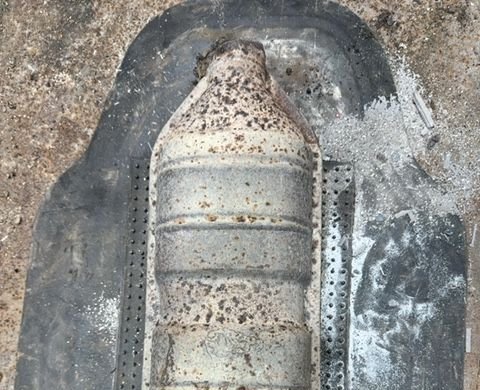
Why Vehicle Make Alone Won't Get You a Converter Offer
You Googled the year, make, and model. You found a number that looked promising. Then you contacted a buyer and got a completely different figure — or no offer at all. Here's why that happens, and what actually determines whether your converter qualifies for purchase.
The Make-Model Problem
Vehicle make tells a buyer one thing: what nameplate is on the hood. It does not tell them what converter is physically attached to your vehicle.
Manufacturers use multiple converter configurations across the same model line. Engine size, model year revision, emissions trim, and production region all affect which substrate is installed. Two trucks with the same make and year can carry converters with meaningfully different precious metal content.
A buyer pricing from make alone is guessing. That guess rarely favors the seller.
What a Buyer Actually Needs to Assess
To review your converter for a purchase offer, a buyer needs more than a vehicle name. Here's what typically matters:
- Physical condition of the converter — Is the substrate intact? Has it been cracked, hollowed, or damaged? A damaged substrate changes the value regardless of what vehicle it came from.
- Converter identification markings — Most converters carry stamped part numbers, serial codes, or OEM identifiers. These narrow the substrate type far more reliably than the vehicle name.
- Photos of the actual unit — Clear photos of the body, end caps, and any visible markings let a buyer assess what they're actually looking at.
- How it was removed and whether it's still attached — A converter still on the vehicle is handled differently than a loose unit. Keep the material intact and do not alter, cut, or open the converter.
- Proof of ownership — Lawful ownership of the converter is a standard part of any legitimate purchase process. If you're the vehicle owner, that's straightforward. If the ownership situation is unclear, clarify the actual facts with SMASH directly — don't assume a buyer will accept your description without documentation.
Unknown Make vs. Unclear Ownership — These Are Different Problems
If you don't know the vehicle make because you bought a used converter or inherited a vehicle with no paperwork, that's a documentation gap. It's worth clarifying before you approach a buyer.
If you know the make but can't document that you own the vehicle or the converter, that's a different issue entirely. No reputable buyer will process a converter without being able to establish lawful source. That's not a legal lecture — it's how legitimate scrap purchasing works.
If your situation is unusual, describe it accurately when you submit your enquiry. Buyers review actual facts. If you find the best scrap converter prices today, the starting point is accurate information, not the strongest-sounding description of what you have.
Converter Pricing Lookups: Useful but Conditional
Online converter price lookup tools can give you a rough reference range. They typically work from part numbers or OEM codes matched against historical assay data. That's more reliable than make-and-model guessing, but it's still a reference — not an offer.
Actual purchase offers depend on current PGM spot prices (platinum, palladium, rhodium), the buyer's refining relationships, and the physical condition of your specific unit. A lookup number from a week ago may not reflect today's market. You can check current scrap converter prices for general orientation, but treat any number as a starting point for a conversation, not a guaranteed payout.
For deeper background on how converter values are structured, read scrap converter pricing guides before submitting your details.
Selling a Converter in Phoenix, Arizona
Phoenix sits in a hot, dry climate that tends to be harder on exhaust systems than coastal environments. That's worth knowing — corrosion and heat stress can affect substrate condition in converters from high-mileage Arizona vehicles. Neither fact guarantees anything about your specific unit's value.
If you're in the Phoenix area and looking to understand your options, Phoenix scrap metal services can be a useful reference point — but check what's actually confirmed for your situation rather than assuming local proximity equals automatic acceptance.
What Arizona does have: a relatively active secondary metals market and buyers who process high volumes of non-ferrous material. Whether your specific converter fits a buyer's current purchasing criteria depends on what you actually have, not where you're located.
What to Do Before You Submit an Enquiry
- Locate any visible stamped markings on the converter body. Write them down exactly.
- Take clear photos — full body, both end caps, any stamps or welds.
- Note the physical condition honestly. Cracked, rattling, or previously disturbed substrates affect eligibility.
- Have documentation of ownership ready. Title, bill of sale, or registration that connects you to the vehicle.
- Keep the converter intact. No cutting, no opening, no alterations.
When you have that information together, you're in a much better position to get a real purchase eligibility review — not a guess based on what year the truck is. Prepare your converter enquiry with SMASH before you submit so you're not leaving out the details that actually matter.
Frequently Asked Questions
Q: Can I get a catalytic converter scrap price just from my vehicle's year, make, and model?
A year, make, and model can point toward a general range, but it's not enough for a purchase offer. Multiple converter configurations exist within the same model line. Buyers need physical identification markings, photos, and condition details to review your specific unit accurately.
Q: How does catalytic converter recycling work in Phoenix, Arizona?
The process is the same as anywhere in the U.S. — you submit details about your converter, a buyer reviews eligibility, and if accepted, an offer is made. Phoenix location doesn't automatically guarantee acceptance or specific buyer availability. Submit your details and confirm coverage for your situation directly with the buyer.
Q: What do I need to prove I legally own a catalytic converter I want to sell?
You'll typically need documentation that connects you to the vehicle the converter came from — a title, registration, or bill of sale. Requirements can vary by buyer and jurisdiction. Don't assume verbal description is sufficient; have paperwork ready when you submit your enquiry.
Q: Why does the scrap price I found online differ from what a buyer offered me?
Online lookup prices are reference figures based on historical data and part codes. Actual offers reflect current PGM spot prices, your converter's physical condition, and the buyer's specific purchasing criteria at that moment. Treat any lookup number as a starting point, not a guaranteed price.
Q: Can I sell a single catalytic converter, or do buyers only want bulk loads?
Single converters can be submitted for purchase eligibility review. Whether a buyer accepts your specific unit depends on what you have and the buyer's current criteria — not strictly on quantity. Submit your details accurately and let the review process determine eligibility.