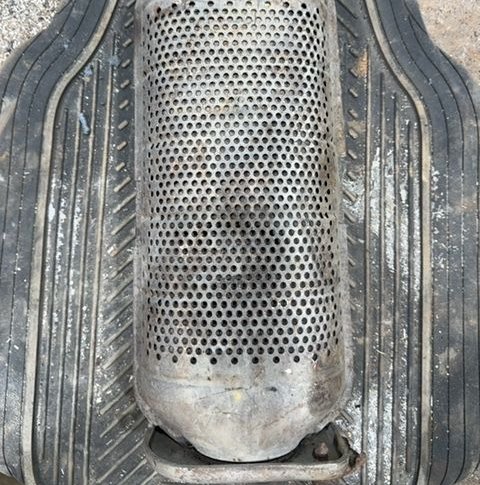
Why Emissions Rules Are Quietly Driving Up OEM Catalytic Converter Value in 2026
Most converter sellers think about price per unit. Fewer think about why prices move. Right now, one of the biggest forces pushing OEM catalytic converter value higher is sitting in a government regulation document — not a metals exchange. Stricter emissions standards across North America and globally are forcing automakers to load more platinum, palladium, and rhodium into every converter they build. That upstream pressure has a direct downstream effect on what your scrap converter is worth today.
If you're sitting on a pile of cats in Orlando and wondering why prices feel different than they did two or three years ago, the answer starts with policy — and ends with PGMs.
How Emissions Standards Create Demand for Platinum Group Metals
Catalytic converters work by using platinum group metals — platinum, palladium, and rhodium — as catalysts to convert toxic exhaust gases into less harmful emissions. The stricter the emissions threshold a vehicle must meet, the more PGM loading the converter typically requires. That's the direct mechanical connection between regulation and raw material demand.
In 2026, automakers are navigating some of the tightest tailpipe emissions requirements in history. The EPA's Tier 3 vehicle and fuel standards continue to push NOx and particulate matter limits lower. Several U.S. states, including California, maintain their own overlay standards that exceed federal baselines. Automakers selling into those markets have no choice but to engineer converters that can handle tighter thresholds — which means more PGM per unit, not less.
- Platinum: Used heavily in diesel oxidation catalysts. As clean diesel standards tighten globally, platinum demand holds firm.
- Palladium: The dominant PGM in gasoline three-way catalysts. North American vehicle fleets are still predominantly gasoline — palladium demand reflects that.
- Rhodium: The rarest and most expensive of the three. Critical for NOx reduction. Stricter NOx limits directly increase rhodium loading requirements.
This isn't speculation. The relationship between emissions regulation stringency and PGM demand is well-documented in metals research and mining industry reports. When governments tighten standards, miners and refiners take notice — and so should scrap yards.
What This Means for Catalytic Converter Prices Today
Regulatory pressure doesn't just affect new vehicle production. It filters into the scrap stream too. Here's the logic: tighter emissions rules increase PGM loading in new converters. Refiners recovering PGMs from scrap converters are essentially unlocking the same materials. Higher PGM demand — driven by manufacturing need — supports the value of recovered material from the recycling side.
Catalytic converter prices today reflect a market where primary PGM mining supply remains constrained. South Africa produces the majority of the world's platinum and rhodium. That concentration creates supply-side fragility. Any disruption — labor, energy, geopolitical — tightens the market further and pushes refiners to compete harder for secondary supply, which means your scrap cats.
For sellers in Florida, particularly around Orlando where vehicle density is high and fleet turnover moves fast, that translates into real money sitting in core inventory. But only if you're pricing it right. Checking catalytic converter prices today against the actual PGM market — not just the first buyer who calls — is how you stop leaving value on the table.
OEM Catalytic Converter Value vs. Aftermarket: Why the Gap Matters
Not all converters are created equal. This is where OEM catalytic converter value separates itself from the rest of the scrap stream. Original equipment manufacturer converters are built to meet strict factory specifications — which means consistent, documented PGM loading. Aftermarket units, particularly low-cost replacements, often use less PGM to hit a lower price point at the parts counter.
For scrap purposes, that gap is significant. An OEM cat from a full-size domestic truck or a European luxury vehicle can carry multiples of the PGM content compared to a cheap replacement unit. Buyers who understand this — and who have the assay data to back it up — bid accordingly. Buyers who don't, or who quote a flat rate for all cats regardless of type, are almost always leaving the seller short.
This is exactly why documentation and identification matter. If you're selling a load of mixed converters without serial numbers, photos, or any vehicle origin data, you're asking a buyer to take on risk. Buyers price that risk into their offer. Strip that ambiguity out of the transaction, and the conversation changes.
Platforms built for this — like SMASH — let you document serial numbers, attach photos, and create a clear inventory record before a single bid comes in. That transparency directly supports better price discovery. Read scrap converter pricing guides to understand how documentation affects what you're offered per unit.
Scrap Metal Inventory Management: The Step Most Sellers Skip
Most yards are good at sourcing. Far fewer are systematic about what happens between the converter hitting the yard and the sale closing. That gap — the inventory management gap — is where value quietly disappears.
Think about it this way: a load of fifty cats with no serial records, no photos, and no vehicle data is a different product than a documented load with the same units. The second load gives a buyer confidence. Confidence reduces the risk premium built into every bid. Lower risk premium means a higher number at the top of the bid.
Strong scrap metal inventory management for catalytic converters means:
- Photographing each unit at intake — top, bottom, and the serial number face
- Recording the serial or part number for buyer lookup against assay databases
- Logging vehicle make, model, and year where available (VIN lookup helps here)
- Grouping units by type and grade before going to market
- Maintaining a chain of custody for high-value units
In Orlando and across Florida more broadly, theft-driven scrutiny on converter transactions has made documentation a legal and commercial necessity. Florida statutes require scrap dealers to collect seller identification and vehicle documentation in converter transactions. Proper inventory records aren't just good practice — in some cases, they're the law.
How the SMASH Auction Model Works in Your Favor
The old model: one buyer, one phone call, one number. You either take it or spend your afternoon calling around trying to find someone who'll go higher. Most sellers take it. That's not negotiation — that's surrender.
The SMASH scrap metal auction model flips that dynamic. You list your inventory — documented, photographed, serialized — and vetted buyers compete for it. Competition is the most reliable mechanism for price discovery in any market. When multiple qualified buyers see the same load at the same time, the number they're willing to pay rises to reflect actual market value rather than one buyer's margin target.
There are no subscription fees on SMASH. The model is aligned with seller outcomes — SMASH wins when you win. For yards in the Orlando area looking to move converter inventory without the back-and-forth of chasing individual buyers, this is a cleaner, more transparent process. Get competitive bids for your scrap metal and see what your documented load actually commands in a competitive market.
SMASH also handles auto-invoicing and supports proper documentation workflows — which matters when you're managing compliance requirements alongside trying to get the best price per unit. It's the same platform infrastructure regardless of whether you're in Florida or anywhere else across North America.
What Sellers in Orlando Should Be Doing Right Now
Regulatory pressure on PGMs isn't easing. If anything, the trajectory of emissions standards in the United States points toward sustained or increased demand for platinum, palladium, and rhodium in vehicle emissions control systems through the remainder of this decade. The transition toward electrification is real, but the installed base of internal combustion vehicles in the U.S. is measured in hundreds of millions of units. That scrap stream will take decades to fully clear.
For converter sellers in Orlando, that means the inventory moving through your yard today carries real value — value that's worth capturing properly. Start with documentation. Understand the difference between OEM and aftermarket units in your loads. Get those loads in front of multiple buyers, not just the first one who calls.
If you want to find the best scrap converter prices today, the process starts before you pick up the phone. Know what you have. Document it. Then let competition do the work.
Head to best-scrap-converter-prices.com to get a free quote and see what your converter inventory is actually worth in today's market.
Frequently Asked Questions
Q: How do emissions regulations affect OEM catalytic converter value?
Stricter emissions standards require automakers to use more platinum group metals in each converter to meet lower exhaust thresholds. Higher PGM loading in new OEM converters means higher recoverable material value in those units when they enter the scrap stream. Tighter regulation generally supports stronger scrap converter value over time.
Q: What makes an OEM catalytic converter worth more than an aftermarket unit?
OEM converters are built to factory specifications and carry consistent, documented PGM loading. Aftermarket replacement converters are often manufactured with reduced PGM content to lower the retail price point. When scrapping, OEM units from trucks, SUVs, and luxury vehicles typically yield significantly more per unit than cheap aftermarket replacements.
Q: Where can I find catalytic converter buyers near me in the Orlando area?
Local scrap yards in the Orlando, Florida region buy converters, but single-buyer transactions rarely reflect full market value. Platforms like SMASH connect documented converter inventory with vetted buyers across North America, allowing competitive bidding that better reflects actual PGM market conditions. You can also check current scrap converter prices at best-scrap-converter-prices.com before approaching any buyer.
Q: How important is documentation when selling catalytic converters in Florida?
Documentation is both a legal requirement and a commercial advantage in Florida. State law requires scrap dealers to collect seller identification and vehicle documentation for converter transactions. Beyond compliance, documented inventory — with serial numbers and photos — gives buyers more confidence, reduces their risk premium, and supports better bids on your load.
Q: Do platinum group metal prices change frequently enough to affect what I get for my converters?
Yes. PGM prices can shift meaningfully week to week based on mining output, industrial demand, currency movements, and geopolitical factors. Converter scrap prices track those movements, which is why checking current rates before selling matters. Prices fluctuate — always verify current market data before finalizing any transaction rather than relying on quotes from weeks prior.
Follow SMASH on LinkedIn for ongoing scrap metal market insights, industry news, and pricing updates delivered straight to your feed.
```