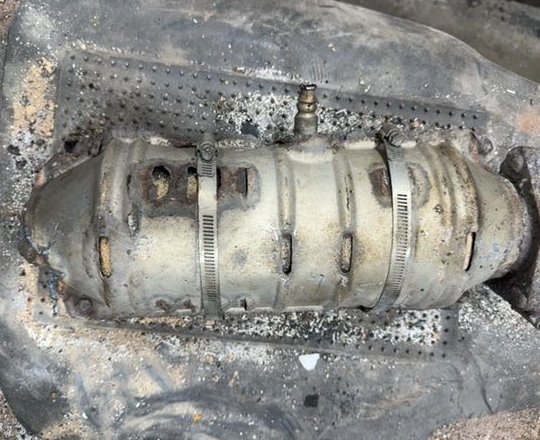
One bad converter deal can cost you hundreds of dollars — and most sellers never realize they got ripped off. The catalytic converter recycling market moves fast, and where there's fast money and complex pricing, there are people ready to exploit the confusion. If you're trying to get accurate scrap converter prices and you don't know what you're walking into, you're already at a disadvantage.
The scrap converter market is driven by precious metals — platinum, rhodium, and palladium. Knowing the palladium price today matters because it directly affects what your converter is worth. When palladium swings $50 in a week (and it does), a buyer who doesn't disclose their pricing model can quietly pocket the difference. This article breaks down the most common scams in the catalytic converter buying market and tells you exactly how to protect yourself.
Why the Catalytic Converter Market Attracts Scammers
Most sellers don't know what's inside a catalytic converter. That's the core problem. A converter looks like a metal can. Inside, it's a honeycomb substrate coated in precious metals — platinum, palladium, and rhodium. The value of those metals changes daily based on global commodity markets. A buyer who understands this and a seller who doesn't creates an enormous information gap. That gap is where scams happen.
Catalytic converter recycling has also attracted regulatory scrutiny in recent years. Ohio and other states have tightened documentation requirements for converter sales, which means legitimate buyers now require proper paperwork — vehicle identification, proof of ownership, and often a photo record of the unit. Scammers typically avoid documentation. If a buyer is eager to skip paperwork, that's a red flag, not a convenience.
The market is also hyperlocal in some respects. Yards in Dayton, Ohio may quote different rates than a buyer two states away, depending on their processing relationships and what assay data they're working from. That variance is normal. What's not normal is a buyer who refuses to explain how they arrive at their number.
The Most Common Scams Targeting Converter Sellers
These aren't hypothetical. Sellers across the country report these tactics regularly. Know them before you walk into a yard or respond to a buyer's ad online.
The Flat-Rate Lowball
A buyer offers you a flat dollar amount per converter without identifying the unit or checking the catalytic converter price based on its actual precious metal content. They know what they have. You don't. The difference between a high-grade domestic converter and a cheap foreign unit can be hundreds of dollars per piece. Accepting a flat rate without knowing your unit type is leaving money on the table — sometimes serious money.
The "Market Is Down" Stall
This one is subtle. A buyer tells you the palladium price today is low, so they can only offer you X. Sometimes that's true. But buyers who don't show you their pricing methodology — their assay data, the published metal prices they're referencing, the percentage they pay against spot — are asking you to trust a number you can't verify. Always ask which commodity price feed they use and what percentage of recovered value they're offering.
The Misidentification Switch
A buyer examines your converter and tells you it's a lower-value unit than it actually is. This happens most often with foreign (aftermarket) versus OEM converters, or with high-value units like those from hybrid vehicles. A seller who doesn't know the difference between a high-grade domestic and a foreign unit has no way to challenge the misidentification. The fix: research your converter's serial number or VIN before you sell. Platforms built for scrap metal inventory management, including tools that track serial numbers and unit types, exist specifically to close this information gap.
The Unsolicited Roving Buyer
Someone shows up at your location — sometimes even your home — offering to buy converters on the spot for cash. No documentation, no receipt, no traceability. In Ohio, selling to an unlicensed buyer creates legal risk for the seller, not just the buyer. If a buyer can't give you a business name, a physical address, and a paper trail, walk away. Dayton yards that operate above board will never pressure you to skip documentation.
The Delayed Assay Scam
A buyer takes your converters for "assay" and promises to pay after processing. You receive a check weeks later that's far below what was quoted. By the time you notice the discrepancy, your units are gone and you have little leverage. This model isn't always fraudulent — legitimate smelters do use toll processing — but you need a written quote, an agreed payment timeline, and documentation of exactly what units you shipped before anything leaves your hands.
How to Verify the Palladium Price Today Before You Sell
Palladium prices are publicly available. Before any converter sale, pull the current spot price from a reputable commodity source — major financial data providers publish live precious metal spot prices throughout the trading day. Rhodium and platinum prices matter too, but palladium tends to be the dominant value driver in many OEM converter types.
Once you know where the metals are trading, you can have a meaningful conversation with a buyer about what percentage of recovered value they're paying. A legitimate buyer will give you this number. They should be able to tell you: the price they're referencing, the recovery percentage they apply based on their assay data, and any processing fees deducted. If a buyer can't walk you through that math, you're not dealing with a transparent operation.
For sellers in Dayton and across Ohio, the best practice is to document every unit before it leaves your hands — photos, serial numbers, VIN if applicable. That documentation protects you legally and gives you the basis to dispute a payment that doesn't match the original quote. Tools that support proper scrap metal inventory management make this process faster and more defensible.
What a Legitimate Converter Buyer Actually Looks Like
A legitimate buyer in this market does a few consistent things. They identify the unit before quoting. They reference real commodity prices. They provide documentation for every transaction. They don't rush you. They operate from a fixed, licensed location or have a clear, verifiable business identity if they operate remotely.
When you search for catalytic converter buyers near me open now, you'll get a mix of results — licensed recyclers, scrap yards, and opportunistic middlemen. The licensed recyclers will have documentation requirements. Don't treat those requirements as an inconvenience. They're evidence that you're dealing with a compliant operation that has something to lose if they shortchange you.
Pricing transparency is the clearest differentiator. A buyer willing to show their work — to explain the converter scrap value calculation rather than just hand you a number — is operating honestly. That's the standard worth holding every buyer to, whether you're selling one converter from a personal vehicle or moving a pallet of units from a shop in Dayton.
How SMASH Helps Sellers Get a Fair Price Through Competition
The single-buyer model is where most converter sellers get burned. One buyer, one number, no leverage. You either take it or walk away — and walking away means finding another single buyer and starting over. That's not a market. That's a negotiation where only one side has information.
The SMASH scrap metal auction marketplace changes that dynamic. Instead of calling one buyer and hoping for a fair number, you list your inventory and let vetted buyers compete. Competition does what transparency alone can't — it reveals what the market actually values your material at. More buyers means better price discovery. That's not a slogan; it's how markets work.
SMASH also supports proper inventory documentation — photo records, serial tracking, VIN lookup — which addresses several of the scam vectors described above. When your inventory is documented before it moves, misidentification and delayed assay disputes become much harder for bad actors to execute. The documentation is in place before anyone touches your material.
For sellers in Ohio looking to find the best scrap converter prices today, the auction format removes the guesswork and the single-buyer pressure. No subscription fees. SMASH only wins when you win. If you want to understand how the platform works before you list, read scrap converter pricing guides that walk through the process step by step.
Protecting Yourself: A Practical Checklist
Before your next converter sale, run through this list. It won't take long and it will protect you from the most common problems in this market.
- Look up the palladium price today before you go anywhere. Know where precious metals are trading so you can evaluate any quote against real data.
- Identify your units. Use the serial number or VIN to determine whether you have OEM or aftermarket converters and what grade they are.
- Document everything. Photos, serial numbers, and unit counts before any converter leaves your possession.
- Ask for the pricing methodology. Any legitimate buyer can tell you what commodity price they're referencing and what percentage of recovered value they pay.
- Get it in writing. A quote without documentation is just a number someone said out loud.
- Verify the buyer's license. In Ohio, licensed scrap dealers operate under state regulations. Ask for their dealer number if you have any doubt.
- Never skip the paperwork. Any buyer encouraging you to skip documentation is a liability, not a convenience.
- Use competitive platforms. One buyer, one quote is not a market. Multiple vetted buyers competing for your material is.
If you're in the Dayton area and want to check current scrap converter prices before your next sale, start with real data before you start making calls. The sellers who get fair prices consistently are the ones who show up informed. Everything else follows from that.
Getting the best converter price isn't about being lucky or knowing the right guy. It's about knowing what your material is worth, documenting it properly, and selling it in a market with real competition. SMASH was built to make that process straightforward for yards and sellers across North America. If you're tired of guessing, start there.
Frequently Asked Questions
Q: How does the palladium price today affect what I get for my catalytic converter?
Palladium is one of the three precious metals recovered from catalytic converters, alongside platinum and rhodium. When palladium spot prices rise, the recovered value of your converter increases — and a legitimate buyer should reflect that in their quote. Always check current palladium spot prices before selling so you can hold buyers accountable to real market data.
Q: Are there specific scams I should watch for when selling converters in Dayton, Ohio?
The most common issues in Dayton and across Ohio include flat-rate lowball offers, misidentification of converter grades, and roving cash buyers who skip documentation. Ohio has tightened regulations around converter sales, so any buyer pressuring you to skip paperwork is both a scam risk and a legal liability. Stick to licensed, fixed-location buyers or verified online platforms.
Q: What documentation should I have before selling a catalytic converter?
At minimum: photos of the unit, the serial number or OEM part number, proof of vehicle ownership or business documentation if applicable, and a written quote from the buyer before the unit leaves your hands. In Ohio, many buyers are legally required to record seller identification and vehicle information. That documentation protects you as much as it protects them.
Q: How do I find legitimate catalytic converter buyers near me open now?
Search for licensed scrap dealers in your area and verify they have a physical address and proper state licensing. For Ohio sellers, the Ohio Department of Commerce maintains records of licensed scrap dealers. Alternatively, platforms like SMASH connect you with vetted buyers across North America, removing the need to vet individual local buyers yourself.
Q: Can I sell a single converter through an auction platform, or is it only for large volumes?
Auction platforms vary in their minimum requirements, but the competitive model works for individual converters and larger loads alike. The key advantage is the same regardless of volume: multiple vetted buyers competing for your material gives you better price discovery than a single local quote. Check platform requirements before listing to confirm minimums and documentation needed.
Disclaimer: Catalytic converter prices fluctuate daily based on precious metal spot markets. All pricing information in this article is general in nature. Always verify current rates before selling.
Follow SMASH on LinkedIn for ongoing scrap metal market updates, pricing insights, and industry news you can actually use.
```