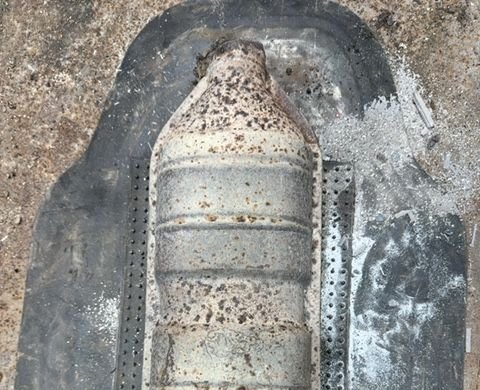
Most people think about catalytic converters in one of two ways: as a theft target or as a nuisance expense. Few think about what happens when one gets recycled properly — and why it matters more than you'd expect. The metals locked inside every cat are finite, environmentally costly to mine, and genuinely valuable. How you dispose of a converter isn't just a financial decision. It's an environmental one.
If you're sitting on a pile of spent cats in Tacoma and wondering what they're worth, find the best scrap converter prices today before you settle for the first offer you get. Knowing the environmental case for proper recycling will also help you understand why catalytic converter prices today are what they are — and why the right buyer makes a difference beyond the dollar amount.
What's Actually Inside a Catalytic Converter — And Why It Matters
A catalytic converter isn't just a chunk of metal in your exhaust line. It's a ceramic or metallic substrate coated with a precise mix of platinum group metals (PGMs): platinum, palladium, and rhodium. These three elements do the heavy lifting — they catalyze the chemical reactions that convert toxic exhaust gases (carbon monoxide, hydrocarbons, nitrogen oxides) into less harmful outputs before they exit the tailpipe.
These aren't common metals. Platinum group metals are among the rarest materials on earth. Mining them is energy-intensive, land-destructive, and often tied to regions with significant environmental and labor concerns. South Africa, Russia, and Zimbabwe supply the bulk of global PGM production. When you recycle a catalytic converter through a legitimate channel, you put those metals back into the supply chain without a new mine having to go deeper into the ground.
- Platinum — used in diesel cats and some gasoline converters; essential for reducing hydrocarbon and CO emissions
- Palladium — dominant in gasoline converters; one of the most price-volatile PGMs on the market
- Rhodium — the rarest and most expensive; critical for neutralizing nitrogen oxides
The concentration of these metals in a single converter is small — we're talking fractions of a gram to a few grams. But when you multiply that across hundreds of millions of vehicles on North American roads, the aggregate becomes enormous. Proper recycling captures that value. Improper disposal wastes it permanently.
What "Improper Disposal" Actually Looks Like — And Its Real Cost
Improper catalytic converter disposal isn't always dramatic. It doesn't require someone dumping a cat in a river. It happens when converters end up in general scrap bins not equipped to process PGMs, when they're sold to buyers who strip them for casing steel and discard the substrate, or when they're exported without documentation to processors who have no regulatory accountability.
The substrate — the honeycomb-like ceramic material inside the metal casing — is where the PGMs live. If a processor crushes the casing without properly extracting and refining the substrate, those metals are lost. They don't magically reappear. The environmental cost of recovering an equivalent amount from a new mine is enormous: habitat disturbance, chemical runoff, energy consumption, and in some regions, water table contamination.
There's also a local concern. In Washington state, improper handling of scrap that contains catalytic converters can fall under hazardous materials guidelines depending on how the material is stored and processed. Working with vetted buyers isn't just better for your bottom line — it keeps you compliant.
Best Catalytic Converter Price in Tacoma Starts With Knowing Your Material
You can't get the best catalytic converter price in Tacoma if you don't know what you have. This is where most sellers leave money on the table. Two converters from different vehicles — even from the same year — can have dramatically different PGM content and therefore wildly different scrap values. A high-grade foreign cat from a late-model import can be worth multiples of a domestic three-way converter from an older truck.
This is where tools like a catalytic converter price list by number become critical. Every converter has a part number stamped on the casing. That number tells a knowledgeable buyer what's inside before the converter ever gets to a smelter. Platforms that use serial tracking and VIN lookup give you — and potential buyers — a clear, documented picture of what each unit is worth based on real PGM content data.
If you're sorting a load of cats, documentation matters:
- Photograph each converter with the part number visible
- Record serial or OEM numbers where present
- Note condition — foil-wrapped substrate vs. cracked or crushed units have different values
- Group by grade if you're handling volume: foreign large, foreign small, domestic, GM, aftermarket
- Use a verified price list or platform lookup before accepting any verbal offer
Documented, graded inventory isn't just good practice — it gives competitive buyers more confidence to bid higher. You're not guessing, and neither are they. Read scrap converter pricing guides to understand how grading affects the numbers you should expect.
The Catalytic Converter Auction Model: Why Competition Drives Better Environmental Outcomes
Here's something the old-school single-buyer model never talks about: when competition is absent, there's no incentive to trace where material goes after purchase. A buyer offering you a flat rate on a load of cats has no obligation to tell you which refiner gets the substrate, whether that refiner operates sustainably, or whether PGMs are actually recovered at all.
A catalytic converter auction model changes the dynamic. When multiple vetted buyers compete for your load, the price discovery process becomes transparent. Buyers who want to win bids have to sharpen their offers based on actual PGM content — which means they need accurate data, which means they're engaging seriously with the material. That accountability filters through the supply chain.
SMASH connects sellers with vetted catalytic converter buyers in Washington and across North America through a competitive auction format. No subscription fees. No cold calls to a single buyer who knows you have no alternative. Just documented inventory, competitive bids, and transparent pricing. Sell your scrap metal on the SMASH marketplace and see what real price discovery looks like.
More buyers means better price discovery. That's not a slogan — it's how markets work. And when the market works correctly for PGMs, the environmental signal is correct too: high-value recovered metals stay in the supply chain instead of being lost to sloppy processing.
Tacoma's Role in Pacific Northwest Scrap Metal Markets
Tacoma isn't a minor player in regional scrap. The Port of Tacoma is one of the largest container ports on the West Coast, which means scrap metal — including spent catalytic converters — moves through this city on its way to domestic refiners and international processors. That geographic reality shapes the market. Buyers operating near Tacoma have access to shipping infrastructure that affects their costs and, by extension, what they'll pay for your material.
For Tacoma scrap metal services, working with a platform that already has relationships with buyers active in the Pacific Northwest means your load doesn't sit. It moves. And when it moves to the right refiner, the PGMs in those converters get recovered properly — which is the whole point.
Washington state has also been an active jurisdiction in tightening regulations around converter resale documentation. Legitimate buyers operating here are already tracking serial numbers, maintaining purchase records, and working within a documented chain of custody. That compliance infrastructure aligns perfectly with platforms built around serial tracking and photo documentation — the kind of tools SMASH uses by default.
How to Get the Most From Your Converters While Doing It Right
Environmental responsibility and getting paid fairly aren't in conflict. In fact, the practices that produce the best environmental outcomes — documentation, proper grading, working with vetted buyers, using auction-based pricing — are the same practices that get you closer to the actual PGM value of what you're selling.
Here's the short version of what proper converter recycling looks like for a yard or individual seller:
- Don't crush converters before selling them. Intact units allow buyers to verify PGM content by part number. Crushed units typically sell at a discount because content can't be confirmed.
- Avoid buyers who can't explain how they price. If someone gives you a flat rate per pound with no reference to PGM content or part number, walk away.
- Use a platform that tracks serial numbers. Documentation protects you legally and supports proper chain of custody.
- Get competitive bids. A single offer is a guess. Multiple offers reveal the market.
- Understand your grades. Not all cats are equal. Knowing the difference between a high-grade foreign and a domestic three-way changes your expectations and your negotiating position.
The metals inside your spent converters will eventually find their way into a new catalyst, a fuel cell, or an industrial process. The question is whether the environmental cost of recovery is borne by a mine or by a recycler. Proper recycling is the better answer — and it pays you for making that choice.
When you're ready to see what your load is actually worth, check current scrap converter prices and get a real number based on real market data. Stop guessing. Start competing.
Disclaimer: Catalytic converter prices fluctuate based on platinum, palladium, and rhodium spot prices. Always verify current rates before making a selling decision.
Frequently Asked Questions
Q: How do catalytic converter prices today get determined?
Catalytic converter scrap prices are driven primarily by the spot prices of platinum, palladium, and rhodium on global commodity markets. Each converter's PGM content — identified by its part number — determines its value relative to those spot prices. Prices can shift significantly day to day, so checking current rates before selling is essential.
Q: Where can I find the best catalytic converter price in Tacoma?
The best prices come from competitive buyers, not a single local yard with no alternatives. Using a platform like SMASH, which connects sellers with vetted buyers across Washington and North America, introduces competition that helps reveal the actual market value of your cats. Document your part numbers and get multiple bids before committing.
Q: What is a catalytic converter price list by number, and how do I use it?
A price list by number maps specific OEM or aftermarket part numbers to approximate scrap values based on their known PGM content. You locate the number stamped on your converter's casing, match it to the list, and get an estimate of what a refiner would pay after processing. These lists are a starting point — actual offers depend on current PGM spot prices and buyer competition.
Q: Is it legal to sell catalytic converters in Washington state?
Yes, but Washington has regulations around documentation. Buyers are typically required to record seller information, vehicle details, and serial numbers. Working with a platform that tracks this data by default keeps you compliant and protects you from liability. Always sell to buyers who follow proper chain-of-custody procedures.
Q: Why should I use a catalytic converter auction instead of selling to a local yard?
A local yard with no competition has little incentive to offer you a fair price. A catalytic converter auction brings multiple vetted buyers to your load, creating competition that drives offers closer to actual market value. More buyers means better price discovery — and platforms like SMASH are built exactly for that.
Ready to stop guessing what your converters are worth? Head to best-scrap-converter-prices.com for a free quote based on real market data — not a lowball offer from the only buyer in the room.
Follow SMASH on LinkedIn for ongoing scrap metal market insights, PGM price updates, and industry news that keeps you ahead of the market.
```