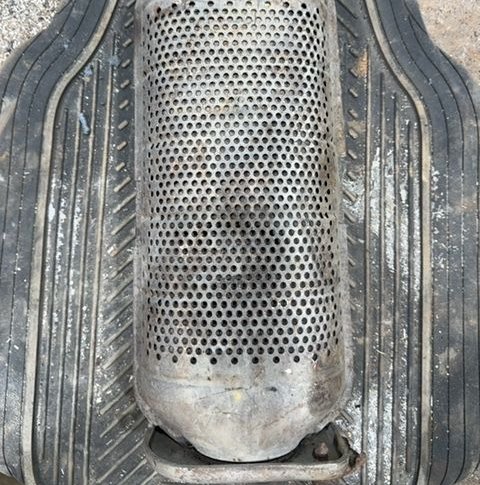
Which Catalytic Converters Are Actually Worth the Most at the Scrap Yard?
Not every catalytic converter is created equal. Hand two converters to a scrap buyer and you might get wildly different offers — not because one buyer is crooked, but because the precious metal content inside those cans varies dramatically by vehicle make and model. If you're sitting on a pile of cats and guessing at value, you're leaving money on the table. Understanding catalytic converter scrap value by vehicle type is the fastest way to stop guessing and start getting paid what you're owed.
This guide breaks down which vehicles produce the highest-value converters, what drives those numbers, and how platforms like SMASH are changing the way sellers get fair market prices — whether you're running a yard in New York or clearing inventory anywhere across North America.
What Actually Determines Catalytic Converter Scrap Value?
Before we rank makes and models, you need to understand what you're actually selling. A catalytic converter is valuable because of three precious metals locked inside its ceramic or metallic substrate: platinum (Pt), palladium (Pd), and rhodium (Rh). The combination and concentration of those metals — measured in troy ounces per unit — is what sets the price.
Palladium and rhodium have been the dominant value drivers for most of the past decade. Rhodium in particular swings hard — it can be worth multiples of gold at peak demand. The palladium price today and the rhodium spot rate are checked by every serious converter buyer before they make an offer. If your buyer isn't referencing live precious metal markets, that's a red flag worth paying attention to.
Other factors that affect converter scrap value include:
- Substrate type: Ceramic substrates hold more PGMs than foil/metallic types in most applications
- Engine size and emissions standard: Larger engines and stricter emissions tiers require more catalyst loading
- Vehicle age: Older cats from pre-2010 vehicles often have higher loadings than modern thin-wall designs
- Condition: Cracked, melted, or "blown-out" substrates lose significant value — photo documentation matters
- OEM vs. aftermarket: OEM converters carry the full factory PGM load; cheap aftermarket replacements carry almost none
With that foundation, here's a look at which vehicle categories and specific models consistently produce the highest-value cats in the scrap market.
The Most Valuable Catalytic Converters by Vehicle Make and Model
These rankings reflect general market patterns based on known PGM loading data and scrap buyer demand. Actual converter scrap value fluctuates with precious metal spot prices — always check current scrap converter prices before you sell.
1. Ferrari (Multiple Models)
Ferrari catalytic converters regularly top the value charts. High-displacement, high-performance engines running strict European and U.S. emissions standards require heavy PGM loading. A single Ferrari cat can carry enough platinum, palladium, and rhodium to outvalue a dozen economy car converters combined. If you come across one, treat it accordingly.
2. Lamborghini
Similar story to Ferrari. Exotic V10 and V12 powerplants, premium OEM construction, and demanding emissions compliance make Lamborghini converters extremely valuable. These rarely show up in volume, but when they do, they command serious attention from buyers.
3. Ford F-250 / F-350 (6.2L Gas)
Heavy-duty pickup trucks running large gasoline engines are a consistent high-value source. The F-250 and F-350 with the 6.2L V8 produce large-format converters with strong PGM content. These are common enough in fleet and commercial recycling that buyers know them well — and price them accordingly. New York yards moving commercial fleet vehicles see these regularly.
4. Ram 2500 / 3500 (Gas)
Ram's heavy-duty gas-powered trucks compete directly with Ford for converter value in this segment. Large displacement, multi-cat configurations, and OEM-grade loading make these a reliable high-value target. Know the difference between the gas and diesel variants — diesel DPFs are a different product category entirely.
5. Toyota Prius (Pre-2016)
The Prius is one of the most talked-about converters in the scrap industry — and for good reason. Hybrid operation means the combustion engine runs at lower temperatures, which forces the converter to carry more catalyst loading to compensate. Pre-2016 Prius converters, especially earlier generations, are consistently high-value. They also get stolen at an absurd rate for exactly that reason.
6. Honda Accord (V6, Pre-2015)
Honda's V6 platform produced strong-performing converters across multiple generations of the Accord. The pre-2015 models with the 3.5L V6 are a known quantity in converter recycling — solid PGM content, good substrate condition in most cases, and identifiable by VIN.
7. Chevrolet / GMC Trucks (V8, Large Format)
Full-size GM trucks running 5.3L and 6.2L V8 engines generate large-format converters. Multi-converter configurations on some models increase total value per vehicle. High volume in the recycling stream means buyers price these consistently — which works in your favor when you can aggregate a load.
8. Lexus / Toyota V8 SUVs (Land Cruiser, LX 470/570, 4Runner V8)
Toyota and Lexus V8 platforms — especially the Land Cruiser, LX series, and V8 4Runner — produce high-value converters. These vehicles are built for longevity, which means their OEM converters often survive intact to the end of vehicle life. Strong PGM loading and excellent substrate condition make them favorites for converter buyers.
9. Jaguar / Range Rover (V8 Variants)
British luxury brands running V8 configurations produce premium converters. The combination of large displacement and strict Euro emissions compliance means heavy catalyst loading. These are less common in the recycling stream, which also means some buyers pay a premium when they appear.
10. Dodge Viper / Dodge RAM SRT
High-performance Dodge platforms round out the top tier. The Viper's massive V10 and the SRT-spec trucks carry substantial converter values. Like exotics, these are low-volume finds — but high-impact when they show up.
Low-Value Converters You Should Know About Too
Understanding the top is only half the picture. Knowing which converters carry minimal scrap value saves you time and prevents disappointment when you find the best scrap converter prices today for a load that turns out to be mostly low-grade material.
Generally low-value converter categories include:
- Aftermarket replacements: These carry a fraction of OEM PGM loading — sometimes less than 10% of the original value
- Small economy cars (1.0L–1.4L): Minimal catalyst loading by design; low engine output means less emission load
- Pre-1981 vehicles: Many early converters used different catalyst chemistry with lower precious metal concentrations
- Diesel passenger cars: Diesel oxidation catalysts (DOCs) exist but differ significantly from gas converters; values vary
- Damaged or "rattled" substrates: A cracked or melted-out substrate has lost most of its value regardless of what vehicle it came from
Photo documentation and accurate identification — ideally by VIN or serial number — are the tools that protect you from getting lumped into a low-grade price when your material is actually mid-grade or better. This is exactly where inventory tools and serial tracking, features built into platforms like smashscrap.com, give sellers a real edge.
How to Sell Catalytic Converters Online and Get a Real Market Price
If you're still calling one buyer and taking whatever they offer, you're pricing blind. The converter scrap market is driven by live precious metal spot prices — platinum, palladium, and rhodium move daily. A single buyer quoting you a flat rate isn't offering you the market. They're offering you their margin plus their risk buffer.
The smarter move is competitive pricing. When multiple vetted buyers see your documented inventory and bid against each other, the price discovers itself. That's not a sales pitch — that's how markets work. Sellers in New York and across New York state who move volume through auction-based platforms consistently get better price visibility than those relying on a single relationship and a handshake.
Here's what the process looks like when done right:
- Document your inventory: Photo each converter, log serial numbers, note condition and substrate type
- Identify your material: VIN lookup and serial tracking tools match converters to known PGM data
- Submit to vetted buyers: Not random buyers — buyers who have been verified and compete for your material
- Let competition set the price: More buyers bidding means better price discovery
- Close with documentation: Auto-invoicing and packing lists protect both parties and keep the transaction clean
SMASH is built around exactly this process. Whether you're moving a handful of high-value exotics or a full truckload of mixed domestic trucks, the platform puts your documented inventory in front of buyers who compete — not one buyer who decides. For yards handling New York scrap metal services, that competitive structure can make a measurable difference on larger loads. You can also read scrap converter pricing guides to sharpen your knowledge before you sell.
What New York Sellers Need to Know About the Current Market
New York is one of the densest markets for catalytic converter recycling in the country. High vehicle density, active dismantling operations, and a strong network of scrap buyers make it a competitive environment — which cuts both ways. You have access to more buyers, but you also need to be sharper about documentation and pricing to avoid getting undercut on mixed loads.
New York state regulations around converter sales have tightened meaningfully heading into late 2026, particularly around documentation requirements for sellers. Serial number tracking, seller identification, and transaction records are no longer optional in most jurisdictions — they're required. If you're not already logging your inventory properly, that's both a legal exposure and a pricing problem. Undocumented material gets treated as low-grade by default.
The good news: proper documentation doesn't just protect you legally. It also increases buyer confidence, which supports better offers. Buyers pay more when they know exactly what they're getting. That's not a theory — it's the mechanics of how informed buyers price risk.
Disclaimer: Catalytic converter scrap values fluctuate daily based on precious metal spot prices. All price references in this article reflect general market patterns and should not be taken as current offers. Always verify current rates before selling.
Frequently Asked Questions
Q: What makes a catalytic converter high value for scrap?
The precious metals inside — platinum, palladium, and rhodium — determine catalytic converter scrap value. Vehicles with larger engines, stricter emissions requirements, and OEM (not aftermarket) converters carry the highest PGM loadings. Condition of the substrate also plays a significant role.
Q: How does the palladium price today affect what I get paid?
Palladium is one of the three key precious metals inside most gas catalytic converters. Buyers calculate offers using live spot prices for platinum, palladium, and rhodium at the time of the transaction. When palladium prices rise, converter values generally follow — which is why checking current market rates before you sell matters.
Q: Can I sell catalytic converters online from New York?
Yes. Platforms built for the converter recycling market let you document your inventory, connect with vetted buyers, and receive competitive offers without being limited to local buyers. New York sellers benefit from access to a national buyer network, which increases competition and improves price discovery on quality material.
Q: What documentation do I need to sell catalytic converters in New York?
New York state requires transaction records including seller identification and, in most cases, serial numbers or other identifying information for each converter. Requirements have tightened in 2026. Using an inventory tool with photo documentation and serial tracking protects you legally and supports better offers from buyers.
Q: How do I know if I'm getting a fair converter scrap value?
The best way is to get offers from multiple vetted buyers at the same time. A single buyer quote gives you one data point — and that buyer's margin baked in. Competitive bidding through a platform like SMASH puts market pressure on the price and gives you a clearer picture of what your material is actually worth on that day's market.
If you're moving catalytic converters — whether it's a handful of Prius cats or a full load of mixed domestic trucks — you deserve to know what they're actually worth before you commit to a price. SMASH connects documented inventory with vetted buyers who compete for your material. No subscription fees. No guessing. Start with accurate identification, document what you have, and let the market tell you the number. Ready to stop leaving money on the table? Find the best scrap converter prices and get a free quote at best-scrap-converter-prices.com.
Follow SMASH on LinkedIn for scrap metal market updates, converter pricing insights, and industry news delivered directly to your feed.