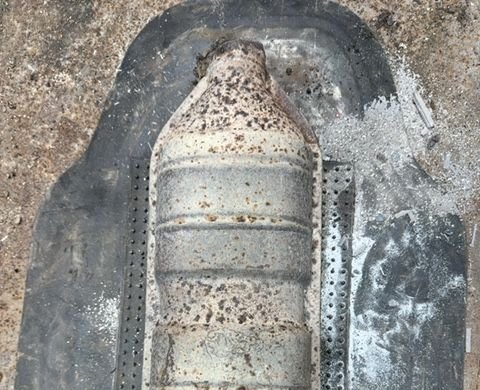
Catalytic Converter Theft Is Costing Legitimate Recyclers Real Money
Here's a number that should bother you: catalytic converter theft spiked dramatically through the early 2020s and hasn't fully corrected. By 2026, law enforcement, insurance companies, and scrap yards across the country are still dealing with the downstream mess. If you run a recycling operation — or you're trying to sell catalytic converters online — the theft epidemic has made your job harder, your margins tighter, and your reputation more fragile than it should be.
This isn't a story about criminals. It's a story about how their behavior broke trust across the entire converter recycling supply chain — and what legitimate sellers need to do to operate cleanly inside a market that's now under serious scrutiny.
Why Catalytic Converters Became a Target (and Why That Hurts You)
The math on converter theft has always been simple. A stock Toyota Prius converter contains meaningful concentrations of platinum, palladium, and rhodium — precious metals that trade at significant market values. When the platinum price today moves, converter scrap value moves with it. Thieves understood this before most scrap yards built systems to track it.
The result? A parallel economy. Stolen converters flooded certain sectors of the recycling market, dragging pricing data sideways and making it nearly impossible for honest yards to know what a clean, documented load was actually worth versus what the theft-driven street price was signaling.
For sellers in places like Tucson and across Arizona — where converter theft rates have tracked with national trends in Sun Belt metros — the problem shows up in a specific, frustrating way: you show up with a legitimate load, and you get treated like a suspect. Buyers tighten their documentation requirements. Some stop buying walk-in converters altogether. Prices offered over the phone become unreliable because yards are pricing in compliance risk, not just metal value.
How Theft Distorted the Legitimate Converter Pricing Market
The scrap converter pricing market depends on accurate data. Buyers need to know what PGMs (platinum group metals) are trading at, what grade of converter they're looking at, and what the processing costs will be before they can make a real offer. Theft broke two of those three data points.
First, it created supply distortion. When stolen units flood certain buyers, it artificially inflates their available inventory and can suppress the prices they're willing to pay for legitimate loads — they don't need yours as badly. Second, it forced regulatory responses that added friction across the board:
- VIN requirements: Many states now require sellers to prove the converter came from a vehicle they owned. Arizona has tightened its secondhand dealer laws to reflect this.
- Mandatory holding periods: Yards in several states must hold purchased converters before processing — adding operational cost that gets priced into offers.
- Photo documentation requirements: Serial numbers, condition photos, and vehicle documentation are now table stakes in many jurisdictions.
- Transaction reporting: Cash transaction limits have tightened. Many yards now require bank transfers or checks, with seller ID logged against every purchase.
None of this is unreasonable — but all of it adds cost and complexity for legitimate sellers. If you're trying to find the right catalytic converter scrap yard near me, you're now navigating a compliance landscape that didn't exist at this scale five years ago.
What Legitimate Sellers Can Do to Protect Their Converter Scrap Value
The good news: if your converters are clean and documented, you're in a better position than you might think. The market has sorted itself. Buyers who want verified, legitimate loads are actively looking for trustworthy sellers — because those sellers are now harder to find in a market flooded with suspicion.
Here's what separates a seller who gets a strong offer from one who gets low-balled or turned away:
- Document everything before you sell. Photographs of each converter — serial numbers visible, condition clear — before the load moves. This isn't optional anymore. It's what separates your load from an unverifiable one.
- Know what you have. Not all converters are equal. A late-model domestic truck converter grades differently than a small foreign unit. If you're walking into a negotiation without knowing your grades, you're negotiating blind.
- Don't rely on one buyer. The old model — call one buyer, take whatever they offer — is where sellers lose the most money. Single-buyer pricing is not market pricing. It's one person's best interest, not yours.
- Use platforms built for verified B2B transactions. A legitimate B2B scrap metal marketplace with vetted buyers creates competition. Competition reveals the actual market. That's where your converter scrap value gets discovered, not negotiated away.
Platforms like SMASH Scrap — where verified buyers bid on your metal were built exactly for this moment. When documentation is logged, buyers are vetted, and multiple parties compete on your load, you're no longer fighting against the theft-distorted market. You're operating above it.
How Platforms Like SMASH Help Legitimate Sellers Stand Out
Here's the real problem with the post-theft landscape: buyers don't trust sellers by default anymore. They've been burned. That means a legitimate seller with a clean load still has to prove it — and doing that through a cold call to a single yard is inefficient at best, and often results in a lowball offer because there's no competitive pressure on the buyer.
SMASH solves this in a direct way. When you list your converters through SMASH, you're not just posting a load — you're building a verifiable record. Serial tracking, photo documentation, and inventory data give buyers the confidence to bid aggressively because the risk of buying stolen material is dramatically reduced. Your documentation isn't just compliance — it's a selling advantage.
Multiple vetted buyers see your load. They compete. That competition does what no single phone call can: it reveals what your load is actually worth in today's market, against the actual platinum price today and current PGM demand. No guessing. No one buyer setting the price. For sellers in Tucson trying to move converters through Tucson scrap metal services, this kind of documented, competitive process is increasingly how serious operators get serious prices.
And there are no subscription fees. SMASH only earns when you sell. That alignment matters.
The Honest Reality About Converter Recycling in 2026
The theft wave has passed its peak — but the compliance infrastructure it created is permanent. Regulations around secondhand metal purchasing aren't rolling back. Documentation requirements aren't going away. The yards and sellers who adapted early are now operating with a structural advantage over those who are still treating converter sales like a handshake deal.
In markets like catalytic converter recycling San Antonio and similarly active Sun Belt metros — Tucson included — the volume of converters moving through the legitimate market is significant. Arizona's recycling sector has responded to the regulatory environment by professionalizing, and sellers who show up with clean documentation and verifiable inventory consistently outperform those who don't.
The converter scrap market still rewards knowledge and preparation. Knowing your grades, knowing the PGM prices driving your converter's value, and knowing how to access real competition for your load — those three things are what separate a seller who leaves money on the table from one who doesn't.
If you want to find the best scrap converter prices today, the answer isn't hoping one buyer gives you a fair number. It's creating the conditions where multiple buyers compete to earn your load. That's not complicated. It just requires using the right tools.
Ready to see what your converters are actually worth? Check current scrap converter prices and get a quote that reflects the real market — not one buyer's best interest. And before your next load moves, take five minutes to read scrap converter pricing guides so you're walking in with context, not just hardware.
The theft epidemic hurt this market. But it also created a clear lane for sellers who operate transparently. That lane is yours — if you use it. Find the best scrap converter prices and get a free quote at best-scrap-converter-prices.com.
Frequently Asked Questions
Q: Can I still sell catalytic converters online if I don't have vehicle documentation?
It depends on your state's laws and the buyer's requirements. In Arizona and most U.S. states, regulations introduced in response to theft now require sellers to provide proof of ownership or origin for converters. Without documentation, many legitimate buyers won't purchase — and those that do may offer significantly less to offset their compliance risk. Document your inventory before you try to sell.
Q: How does catalytic converter theft affect the price I get for my legitimate load?
Theft distorts pricing in two ways: it creates artificial supply in some market segments, and it forces buyers to price compliance risk into their offers. A well-documented load from a verified seller typically commands a better offer than an undocumented one, because the buyer's risk — and therefore their discount — is lower. Clean documentation is now a direct factor in converter scrap value.
Q: What's the best way to sell catalytic converters online in Tucson, Arizona?
The most effective approach is to document your inventory thoroughly — serial numbers, photos, grades — and list through a platform that brings multiple vetted buyers to your load. Single-buyer phone deals in Tucson's current market rarely reflect true converter value. A competitive auction format on a B2B scrap metal marketplace gives you price discovery that one call never will.
Q: Does the platinum price today directly affect what I get for my scrap converters?
Yes — platinum, palladium, and rhodium prices are the primary drivers of catalytic converter scrap value. When PGM prices move, converter prices move with them, often within the same week. That's why locking into a price quote without checking current metal markets first can cost you money. Always verify where PGMs are trading before you negotiate.
Q: Are there specific regulations in Arizona that affect converter recycling sales?
Arizona has strengthened its secondhand dealer and scrap metal purchasing laws in response to the national theft surge. Sellers should expect buyers to log transaction details, require photo ID, and in some cases hold payment for a verification period. These regulations apply to all converter sales in the state — knowing them before you walk into a yard saves time and avoids rejected transactions.
Follow SMASH on LinkedIn for industry updates, scrap metal market insights, and practical guides for recyclers operating in today's market.
```