Why the Rhodium Price Today Changes What Your Converter Is Actually Worth
Most converter sellers walk into a yard expecting a flat rate. What they get instead is a number that feels like a guess. That gap — between what you expect and what you're offered — usually comes down to one thing: grading. If you don't understand how converters get graded and why pricing tiers exist, you're negotiating blind. And in 2026's precious metal market, that's an expensive place to be.
The rhodium price today is one of the most volatile inputs in converter valuation. Rhodium swings harder than platinum or palladium — sometimes dramatically within a single quarter. When rhodium is elevated, certain high-grade converter types can fetch significantly more than lower-tier units. When it pulls back, the spread between grades compresses. Understanding how your converter is graded directly determines which side of that spread you land on.
What Converter Grading Actually Means
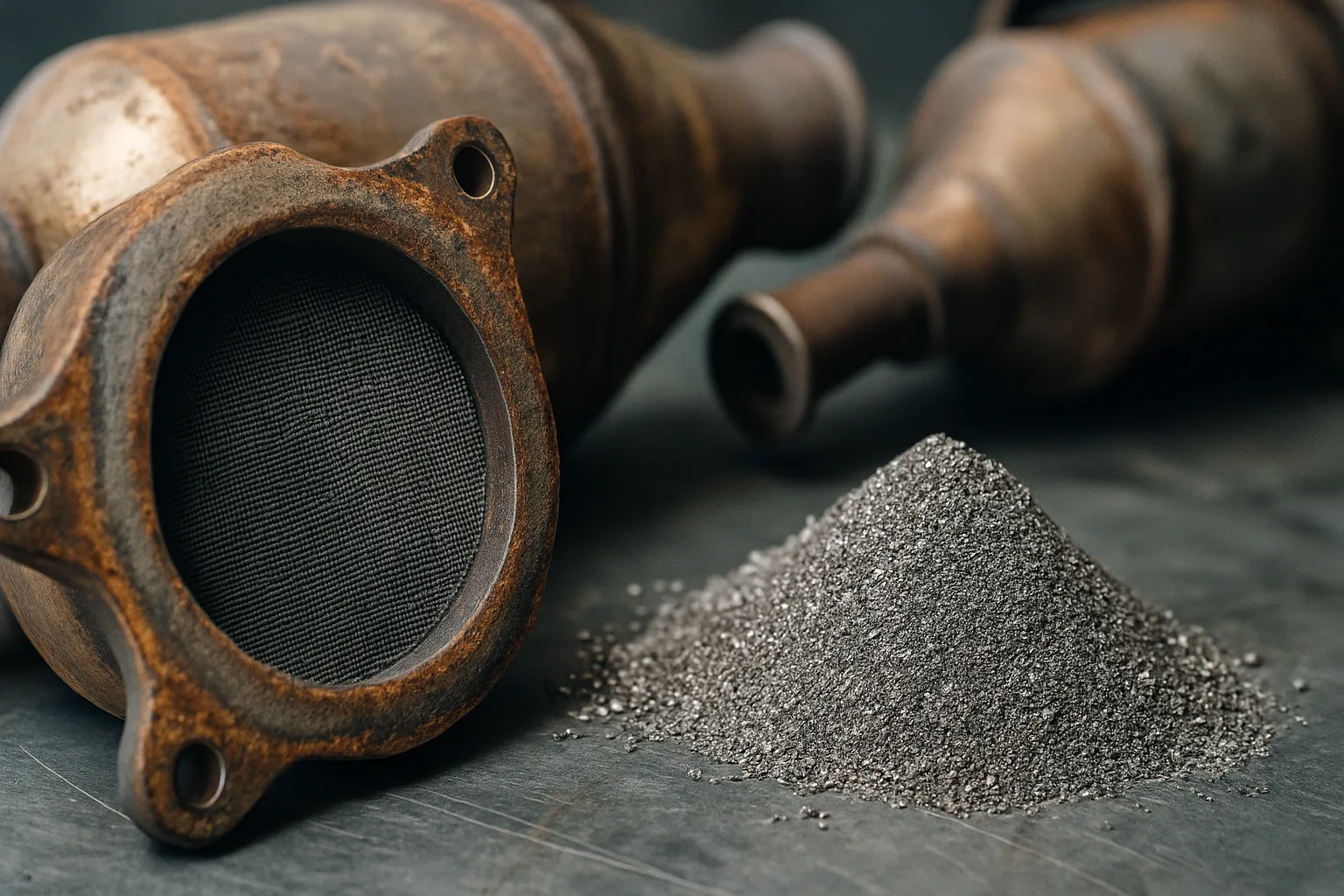
Grading isn't arbitrary. It's a structured way of categorizing converters based on the concentration and ratio of platinum group metals (PGMs) — specifically platinum, palladium, and rhodium — found inside the substrate. Each category carries a different yield expectation, and that expectation drives the price a buyer is willing to pay.
Here's how the tiers generally break down in the North American market:
- High-grade converters: Typically found on newer or luxury vehicles. Dense substrates, higher PGM loading, stronger OEM catalytic converter value. These command the highest prices per unit.
- Mid-grade converters: The most common category. Standard domestic and import vehicles from mainstream manufacturers. Solid value, consistent demand.
- Low-grade converters: Older units, aftermarket replacements, or heavily deteriorated substrates. Lower PGM concentration. Still have value, but priced accordingly.
- Foreign pre-cats: Small secondary converters, often from import vehicles. Typically higher PGM ratios than they appear — frequently undervalued by inexperienced buyers.
- DPF (Diesel Particulate Filters): Not traditional converters, but contain platinum. Graded and priced separately from catalytic converters.
The grade assigned to your unit determines which price tier applies. That's why two converters that look nearly identical can carry very different scrap values. The substrate density, the vehicle application, and the assay data behind that specific converter type all factor in. Buyers who use real price lists — not guesswork — will reference serial numbers, manufacturer data, and current PGM spot prices to land on a number.
How the Rhodium Price Today Influences Every Tier
Platinum and palladium get more attention in casual conversation, but rhodium is often the deciding variable in high-grade pricing. Rhodium is rarer, harder to source, and its price can move sharply based on supply constraints — particularly from South African mining output, which has faced ongoing pressure in 2026. When rhodium spikes, high-grade converters pull away from the mid-tier in value. When it softens, that gap narrows.
For sellers in Ohio and across the Midwest, this matters because the converters sitting in your inventory right now have a value that's moving with the market. A unit worth one price in March 2026 may be worth a different price in August. Checking the rhodium price today before you sell isn't optional — it's how you know whether you're selling at the right time or leaving money on the table.
This is also why selling converters online through a competitive platform makes more sense than walking into a single yard. A single buyer has no obligation to pass PGM price movement on to you. A competitive auction format does — because buyers are bidding against each other, not setting the price unilaterally. Platforms like SMASH Scrap — where verified buyers bid on your metal create that competitive pressure, which is exactly what drives better price discovery for sellers.
OEM Catalytic Converter Value vs. Aftermarket: Know the Difference Before You Sell
One of the most common grading mistakes sellers make is not distinguishing between OEM and aftermarket converters. The OEM catalytic converter value is almost always higher than an aftermarket equivalent — sometimes by a wide margin. OEM units are manufactured to meet the vehicle's original emissions specifications, which requires a denser, more precisely loaded substrate. That means more PGMs per unit. Aftermarket converters, by contrast, are built to a lower PGM threshold to keep manufacturing costs down.
When a buyer grades your load, they're looking at whether each unit is OEM or aftermarket. If you're selling a mixed load without flagging this, you may find your OEM units getting lumped into a lower-tier average price. Sorting your inventory before you sell catalytic converters online — and clearly identifying OEM units — puts you in a stronger negotiating position.
For yards and sellers in Akron doing regular volume, this distinction adds up fast. Even a $20-$40 difference per unit across a load of 50 converters is a meaningful number. Documentation matters. Photos matter. Serial number tracking matters. Find the best scrap converter prices today by going into any sale with your inventory already sorted and documented.
Selling Catalytic Converters in Ohio: What Local Sellers Need to Know in 2026
Ohio has a mature scrap recycling ecosystem. Yards in Akron, Cleveland, Columbus, and Cincinnati all operate in a competitive regional market. But "competitive" at the local level still has limits. Most local buyers are pulling from the same regional pricing feeds and working within similar margin structures. That means if you're only selling to local yards, you're getting local market pricing — not national best pricing.
The sell catalytic converters Ohio market has also seen increased compliance requirements over the past few years. Ohio law requires documentation of seller identity for catalytic converter transactions, and many buyers now photograph converters and record VINs or serial numbers as standard practice. This is good for legitimate sellers — it squeezes out theft-sourced material and creates a cleaner market. But it also means you need to have your paperwork ready when you show up.
Sellers using Akron scrap metal services already know that documentation speeds up transactions. Platforms that require photo documentation and serial tracking aren't making your life harder — they're making your converters easier to bid on accurately, which drives better offers. That's the environment where scrap converter prices reflect actual market value instead of a single buyer's margin target.
If you want to read scrap converter pricing guides that break down regional market differences and what to expect when selling in Ohio specifically, those resources can help you calibrate expectations before you pick up the phone or submit a load.
How SMASH Brings Competitive Pricing to Your Converter Load
The old model: call one buyer, accept their offer, move on. You have no idea if that offer reflects today's rhodium price. You have no idea if another buyer would have paid more. You take the number because it's the only number you have.
SMASH flips that. When you list your converter load — properly graded, documented with photos, serial numbers logged — vetted buyers across North America see it and bid. That bidding process is what creates real price discovery. It's not SMASH setting the price. It's the market setting the price, with buyers competing against each other to win your load.
For sellers with volume — whether you're a recycling yard in Akron running weekly loads or an independent collector with a trailer full of mixed converters — the difference between one buyer and multiple competing buyers can be significant. And because SMASH operates on a no-subscription-fee model, you're not paying to access the platform before you know what it's worth. You only pay when the transaction happens. More buyers means better price discovery. That's the principle. The platform is built around it.
If you're ready to stop guessing and start selling with real market data behind you, check current scrap converter prices and see where your load stands before your next sale.
Disclaimer: Catalytic converter prices fluctuate daily based on platinum, palladium, and rhodium spot prices. Always verify current rates before completing any sale. The figures and market conditions referenced in this article reflect August 2026 context and are subject to change.
Frequently Asked Questions
Q: What drives the rhodium price today and how does it affect my converter value?
Rhodium is primarily sourced from South African platinum mining operations, and supply constraints there have a direct impact on global pricing. When rhodium prices rise, high-grade converters — which contain more rhodium per unit — increase in value relative to mid- and low-grade units. Checking the rhodium price today before you sell gives you a real-time read on whether your high-grade units are in a favorable pricing window.
Q: How do I know what grade my catalytic converters are?
Grading is based on the vehicle make, model, year, and the specific converter type — OEM vs. aftermarket being the most important distinction. Serial numbers stamped on the converter body can be cross-referenced against price databases maintained by buyers and processors. If you're unsure, platforms like SMASH connect you with vetted buyers who can assess your load accurately, which is a far better outcome than accepting a single local offer without comparison.
Q: Is it legal to sell catalytic converters in Akron, Ohio?
Yes, selling catalytic converters in Akron and across Ohio is legal for legitimate sellers. Ohio law requires sellers to provide identification, and many buyers now require documentation including proof of ownership or vehicle VINs. Having clean paperwork speeds up transactions and ensures you're selling in a compliant marketplace.
Q: Why does my OEM converter pay more than an aftermarket unit?
OEM converters are built to original manufacturer specifications, which require higher PGM loading to meet emissions standards. Aftermarket converters use less platinum, palladium, and rhodium to reduce production costs — which means less recoverable value at the processor level. When you sell, clearly identifying OEM units in your load prevents them from being priced at aftermarket rates.
Q: How do I get the best scrap converter price for my load in Ohio?
The single most effective step is creating competition among buyers. One buyer, one price — that's a ceiling disguised as an offer. Using an auction-format platform like SMASH means multiple vetted buyers see your documented load and bid competitively. Combined with accurate grading, current PGM pricing awareness, and clean documentation, that's how you close the gap between what you're offered and what your converters are actually worth.
Ready to find out what your converters are actually worth? Get a free quote at best-scrap-converter-prices.com and stop selling blind.
Follow SMASH on LinkedIn for regular scrap metal market updates, PGM pricing insights, and industry news that affects what your converters are worth.